



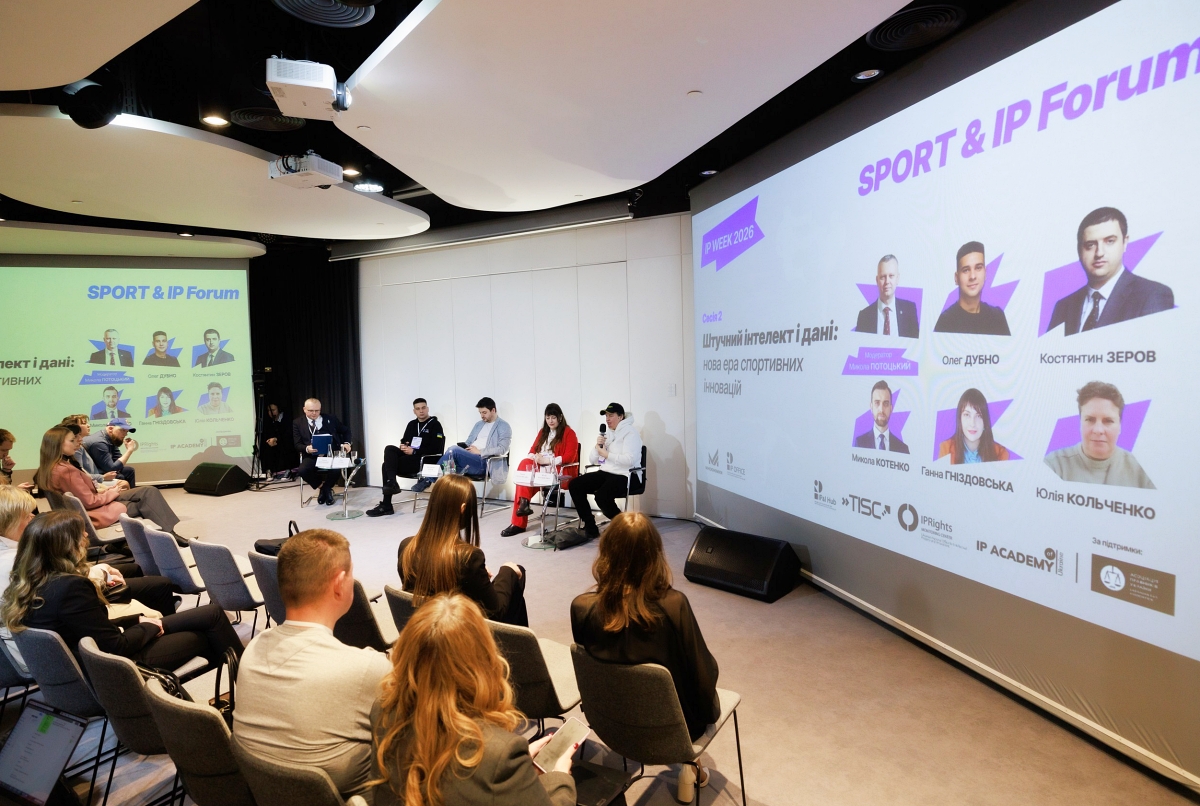
Practical regulation of artificial intelligence in Ukraine and what this will mean for the sports industry and rights to content and data. These issues were discussed during one of the sessions of the SPORT & IP Forum as part of IP WEEK 2026.
One of the most talked-about panels at the forum was the session titled “Artificial intelligence and data: a new era of sports innovation,” moderated by Mykola Pototskyi, Deputy Director of the Ukrainian National Office for Intellectual Property and Innovations (UANIPIO/IP Office). Opening the event, he noted:
“Today, sports exist not only as competition, excitement and entertainment. It is a massive industry and market: data, analytics, predictive models and digital services. For the IP sphere, it is crucial that this is a market for rights: rights to technology, content, data and the results of intellectual activity.
We already joke that AI can predict the outcome of a match, but it can’t convince the coach that he’s wrong. So when we talk about digitalization and artificial intelligence, we must remember that the final decision is made by a human.
We will address many issues related to intellectual property, but the overarching theme will concern the responsibility of the person behind decisions based on data provided by AI.”
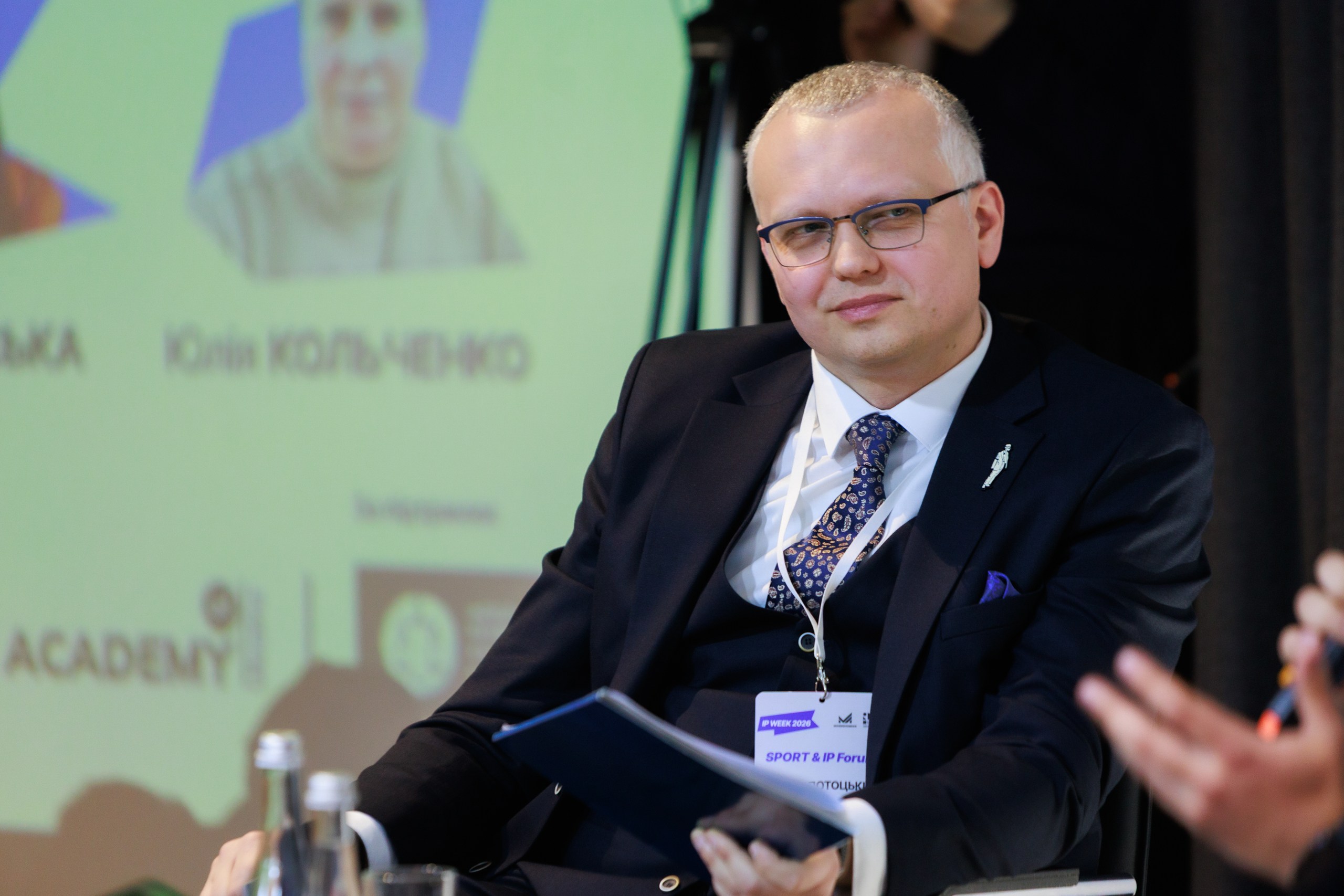
Mykola Pototskyi
During the session, participants discussed the following topics:
Artificial intelligence in sports: a tool for victory or a new challenge for the law?
Who owns sports data?
Can training methods be considered trade secrets?
Watch the SPORT & IP Forum broadcast on our YouTube channel:
Oleh Dubno, AI Manager at the Ministry of Digital Transformation of Ukraine, spoke about the AI model Ukraine is choosing:
“Back in 2023, the Ministry of Digital Transformation published a roadmap for AI regulation, and in May 2024, we released a White Paper on Artificial Intelligence Regulation – a document that took a broader approach to explaining to the community, businesses and citizens where we are moving with AI regulation.”
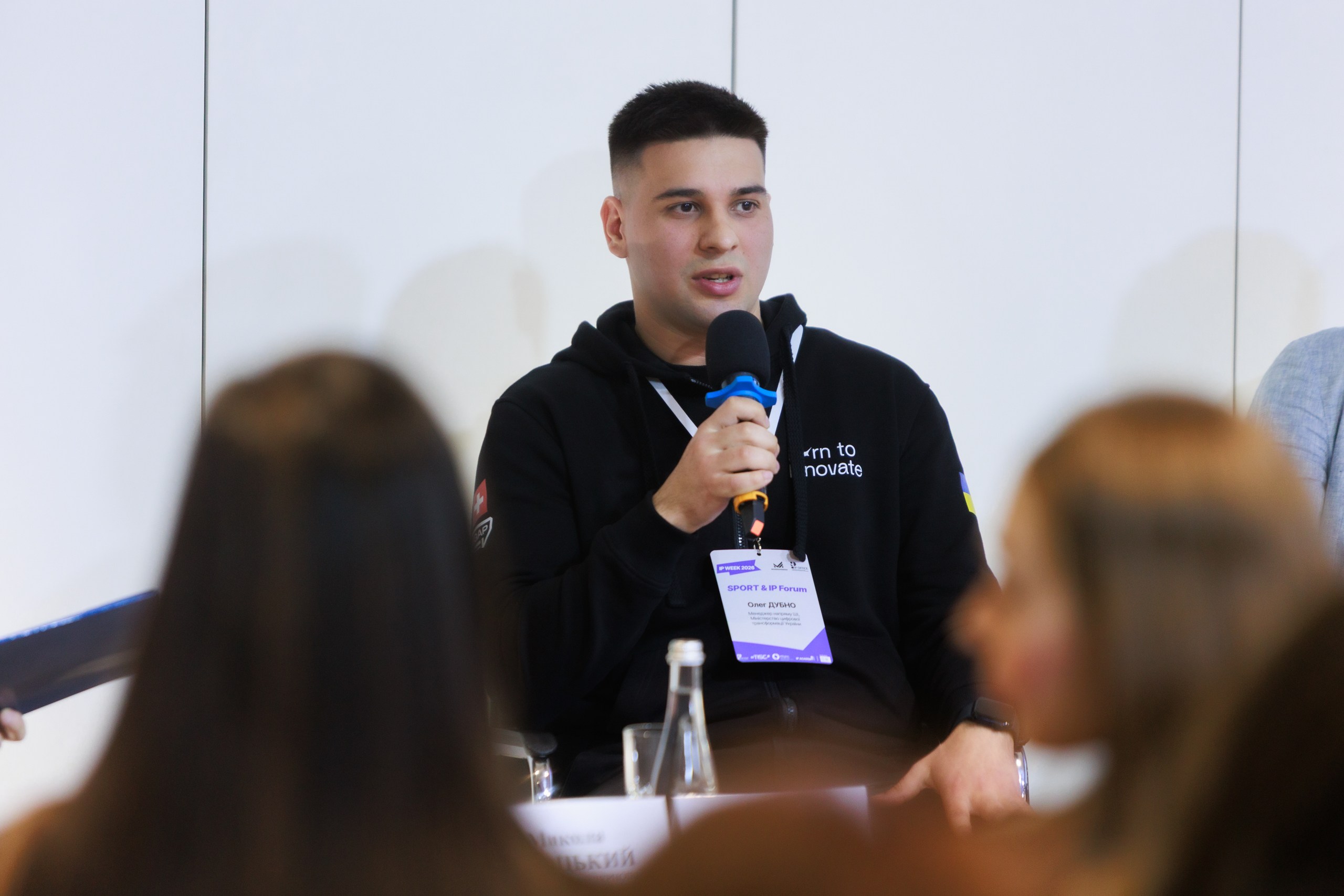
Oleh Dubno
“At the same time, the EU was also in the process of drafting its regulations,” noted Oleh Dubno. “In our White Paper, we outlined the Ukrainian approach: bottom-up. This means that we do not over-regulate innovation from the start, but rather work to develop a responsible approach to the use of AI.
Given our European commitments, the final stage of legislation development is the implementation of the AI Act. The Ministry of Digital Transformation, together with stakeholders (including UANIPIO), is working to develop documents and recommendations on the responsible use of artificial intelligence.”

Hanna Hnizdovska
Hanna Hnizdovska, a representative of the Ukrainian Bar Association’s Sports Law Committee, a member of the UAF Dispute Resolution Chamber and the Head of the JSC “Yuris Ferrum,” Ph.D. in Law, discussed the use of AI in sports, using football as an example.
“Football clubs are already using various AI applications and programs in their training processes. The pioneers in this area are Premier League clubs in the UK. They do not follow the classic European regulatory model, as we will; there, the system is more deregulated.
A striking example of AI in soccer is Tactic AI, which is used by Liverpool FC. And this has sparked considerable debate regarding players’ personal data, intellectual property and players’ actions and images.
Clubs also use AI to scout new players, analyzing their potential and possible achievements.”
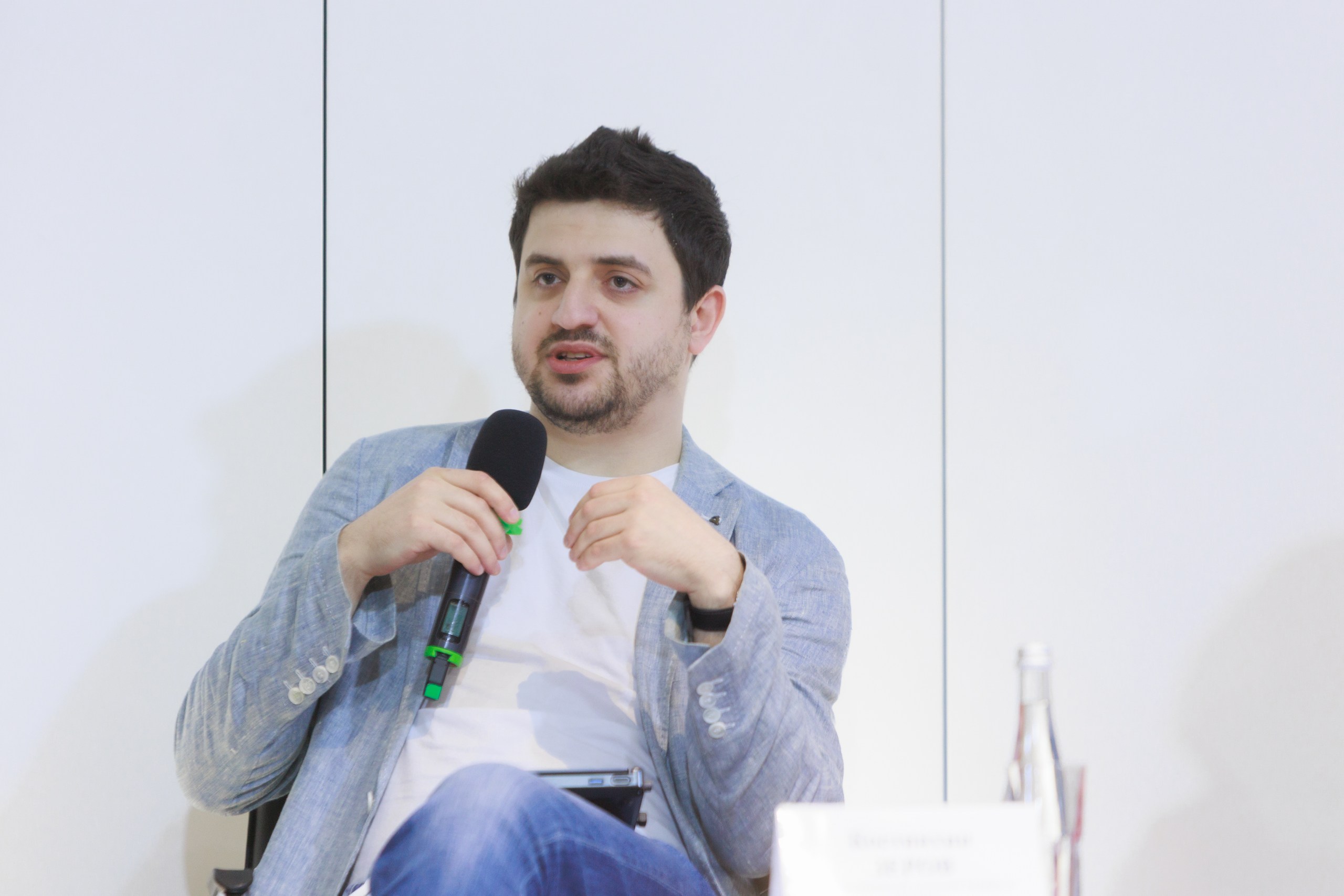
Kostiantyn Zerov
Kostiantyn Zerov, an attoney, Ukrainian patent attorney and scientist, outlined how artificial intelligence is changing the game in the context of sports club management.
“Clubs’ use of AI is already significantly reducing scouting costs. Whereas previously there were entire teams of scouts who traveled to watch players and decide whether they were suitable or not, now clubs subscribe to specialized programs that analyze soccer players.
The second area is health. This involves predicting when an athlete will reach peak form and when there will be a decline: AI analyzes training load data.
The third area is ticketing, specifically determining pricing for a particular match.
AI can also flag unusual betting activity, thereby preventing violations of fair play rules.”
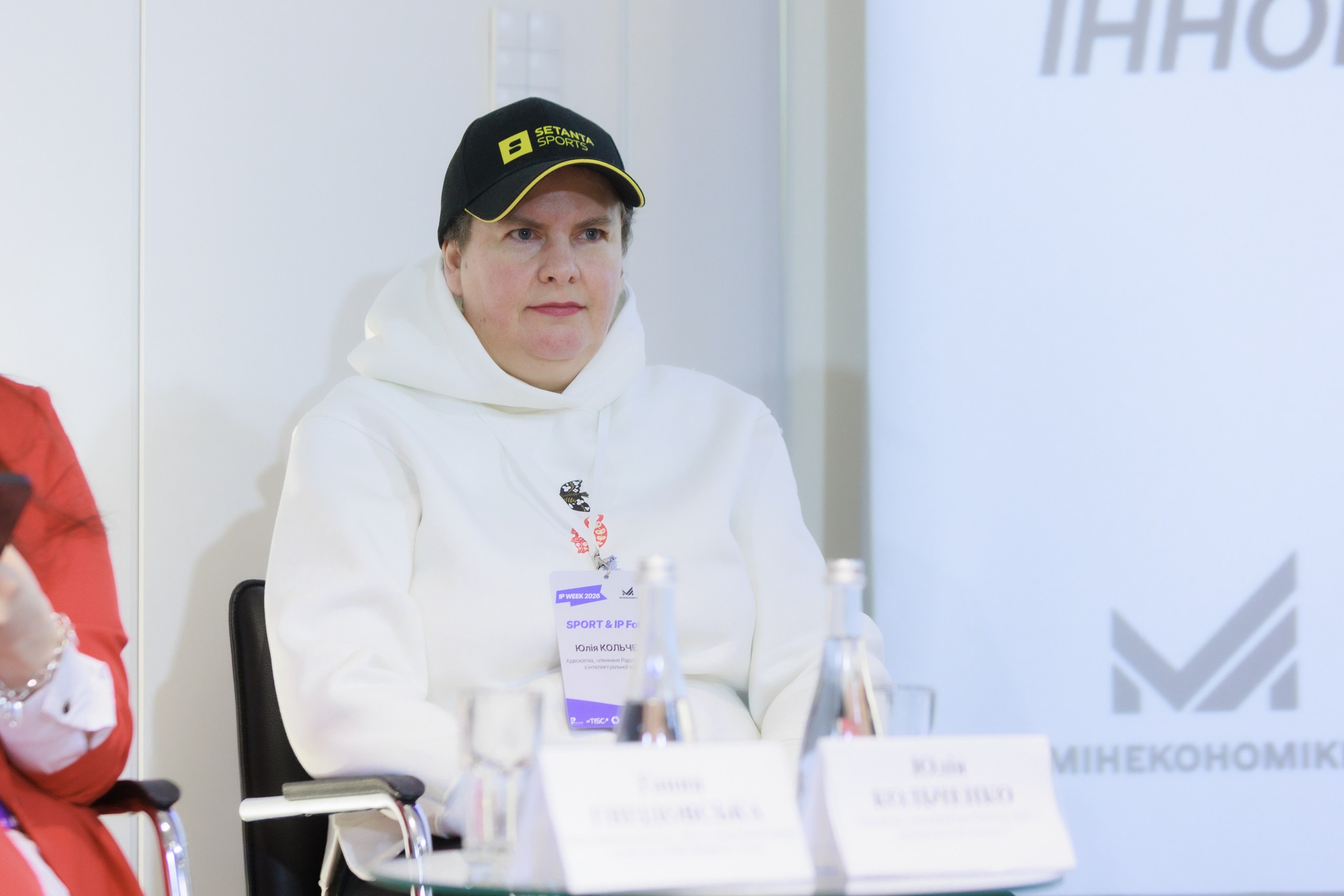
Yuliia Kolchenko
Yuliia Kolchenko, an attorney and member of the Ukrainian Bar Association’s Intellectual Property Committee, spoke about the legal risks associated with the collection of sports data.
“The use of AI in sports is currently growing rapidly. And there are certain issues. First: who owns the rights to the product that the program generates – the individual whose information was used (the athlete), the club or the technology provider? The answers can be found in the athlete’s contract or in the agreement on the use of AI technologies. Next comes the question: how is it protected and is it protected at all? Different countries have different approaches.
Privacy and data protection are also issues, because when people use AI, they provide certain information about themselves, which is saved and can be used in other ways later. That’s why you need to use corporate versions of the programs, paid subscriptions, anonymize the data and ask the AI to delete this information afterward.”
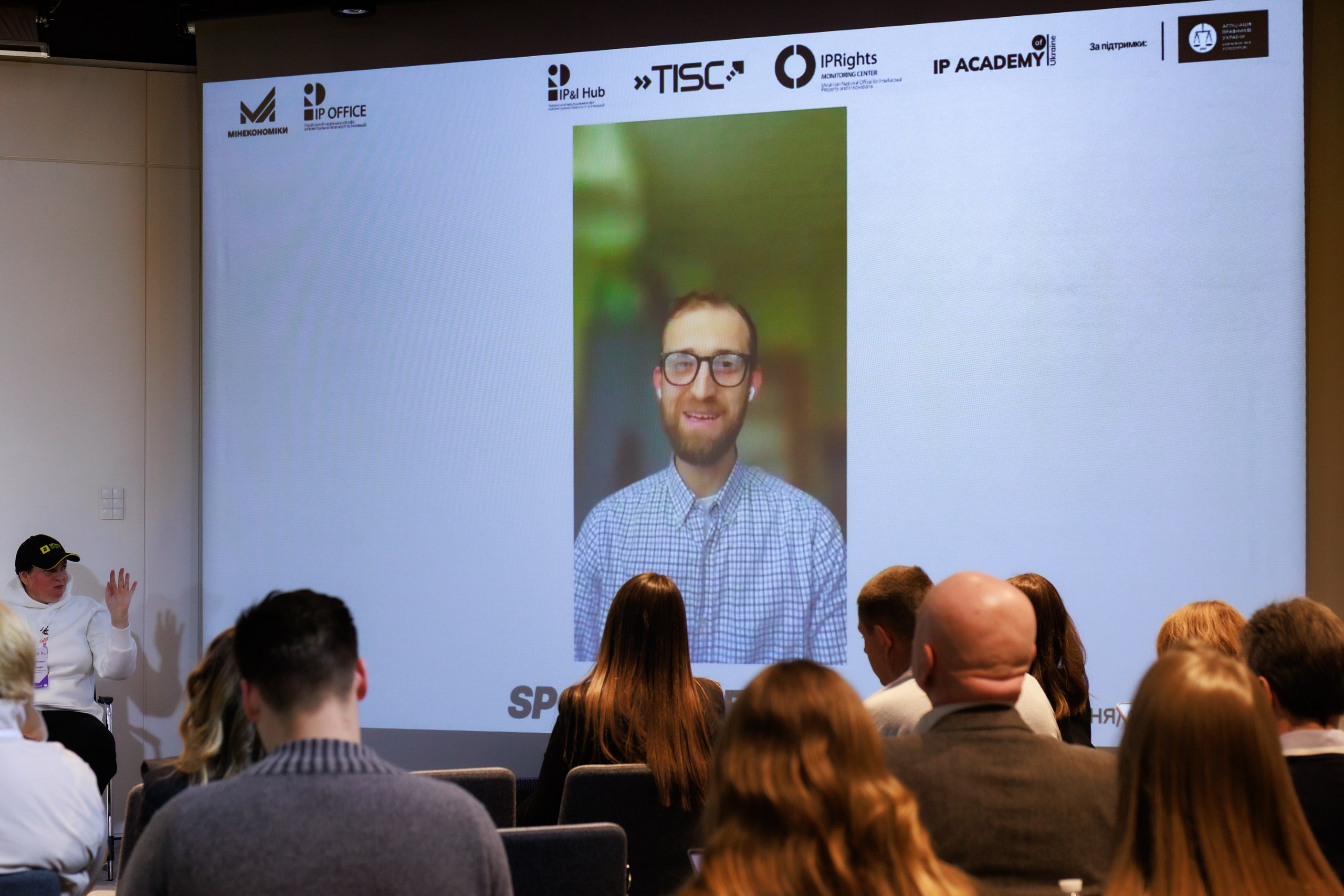
Mykola Kotenko
Mykola Kotenko, Head of the Intellectual Property and Technology Practice at MORIS Law Firm, member of the UAF Dispute Resolution Chamber and Ph.D. in Law, who participated in the online discussion, addressed the question of which elements in sports may be considered as trade secrets, as well as the intersection of intellectual property and trade secrets:
“In sports, the key issue is competitive advantage. In recent years, it has not been closely tied to players, coaches and astronomical budgets, because today it relates more to player data and how that data is interpreted, as well as the tools used for that purpose. However, the data itself does not hold value, as it has always existed. We need to understand how to turn this data into a competitive advantage and not lose it later.
So, in the age of AI, trade secrets in sports are becoming a key asset, one that is both the most important and the most vulnerable. The focus here is on training programs, data, its processing and analysis – an ecosystem where everything functions.”
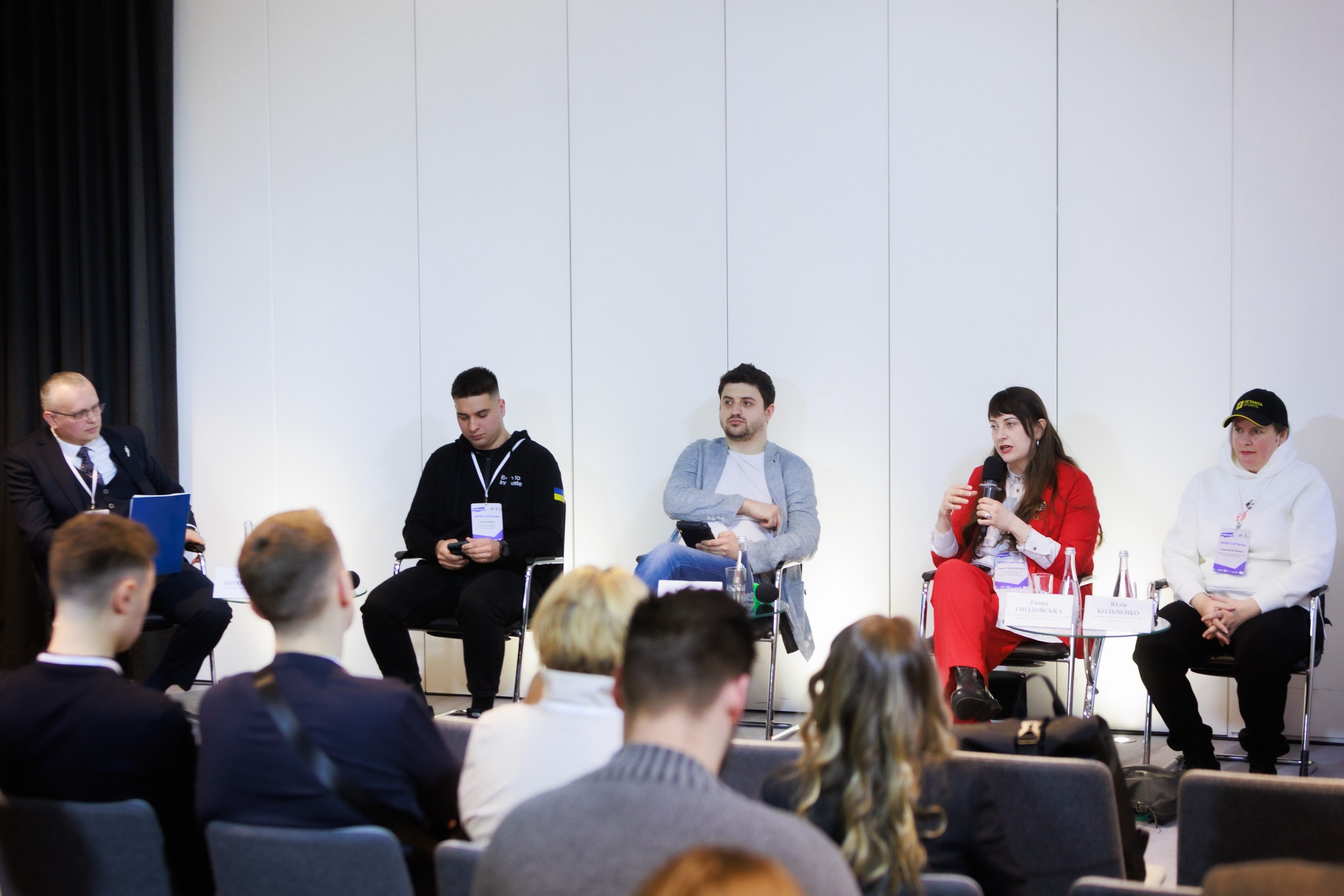
Session participants
For reference:
The SPORT & IP Forum is an event that brought together representatives of the sports industry, innovators, lawyers, athletes and government agencies to discuss how intellectual property shapes the modern sports economy. It is held as part of Ukrainian Intellectual Property Week (IP WEEK 2026).
Photo: Yurii Bielakh
Read more news from the SPORT & IP Forum:

No Comments