UANIPIO hosted a professional discussion on the impact assessment of legislative changes and the implementation of the new European TM registration model in Ukraine
19 March 2026 No Comments Irena
UANIPIO hosted a professional discussion on the impact assessment of legislative changes and the implementation of the new European TM registration model in Ukraine
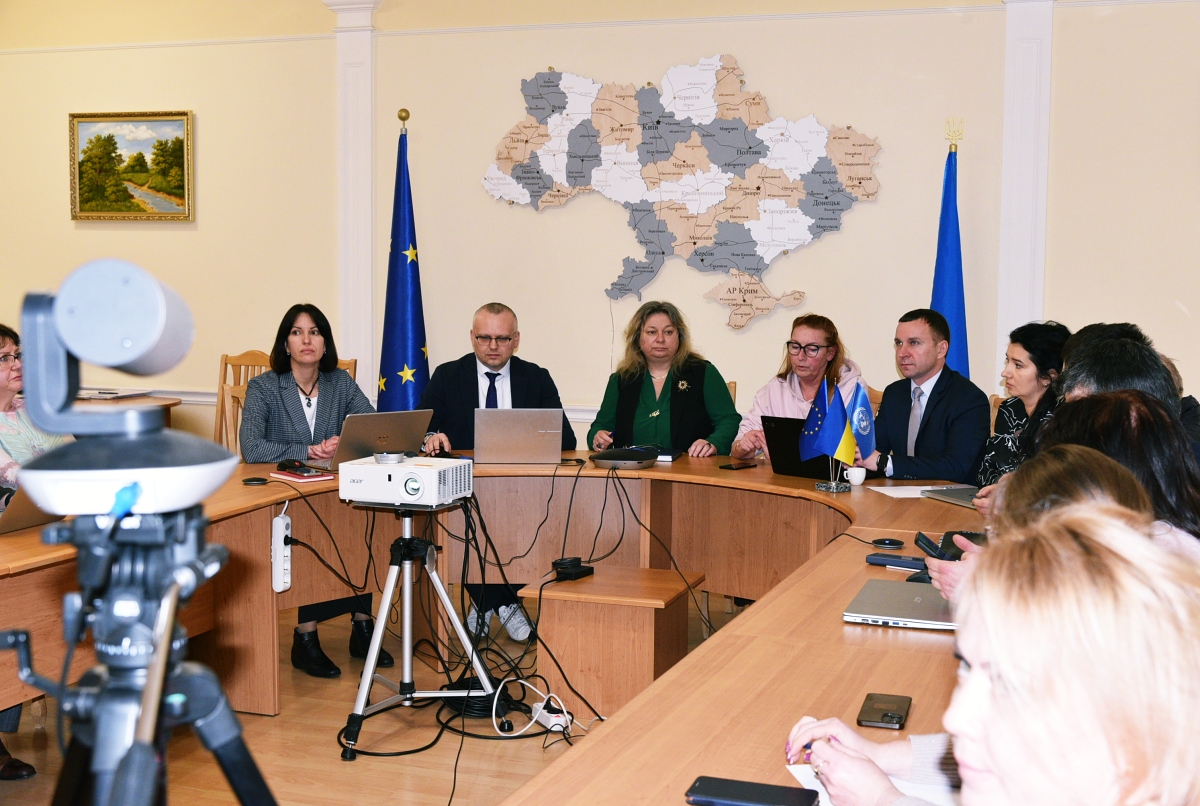
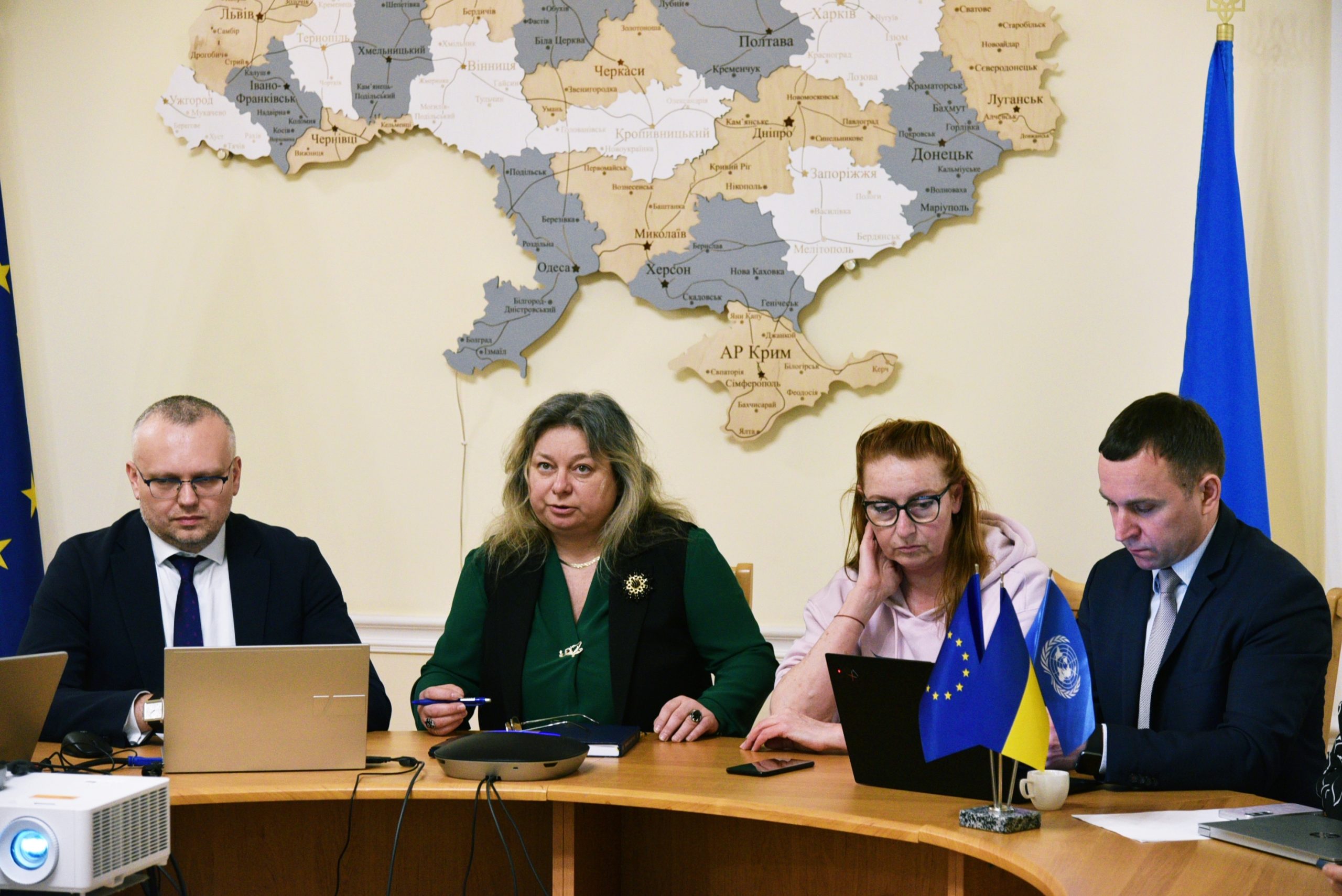
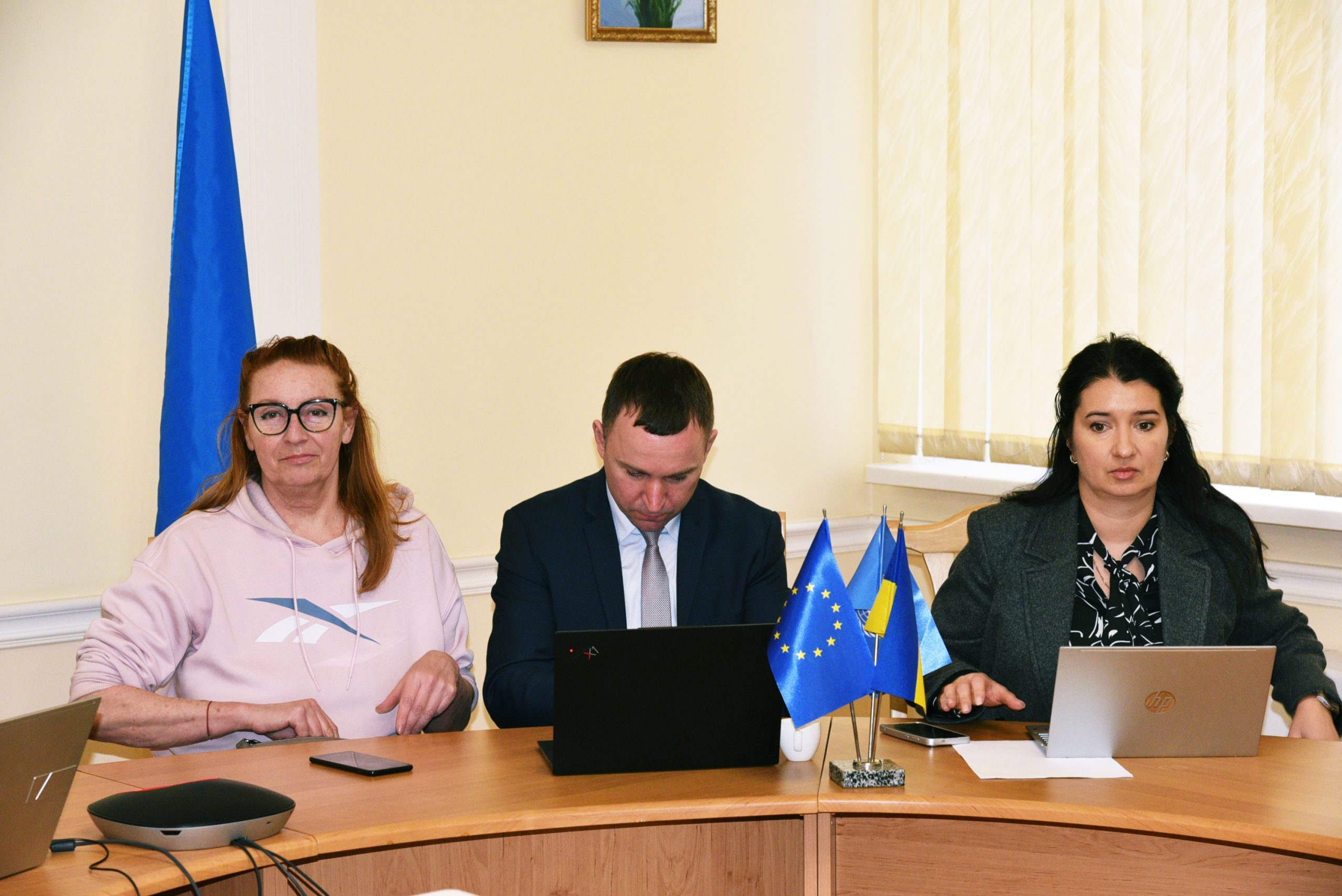
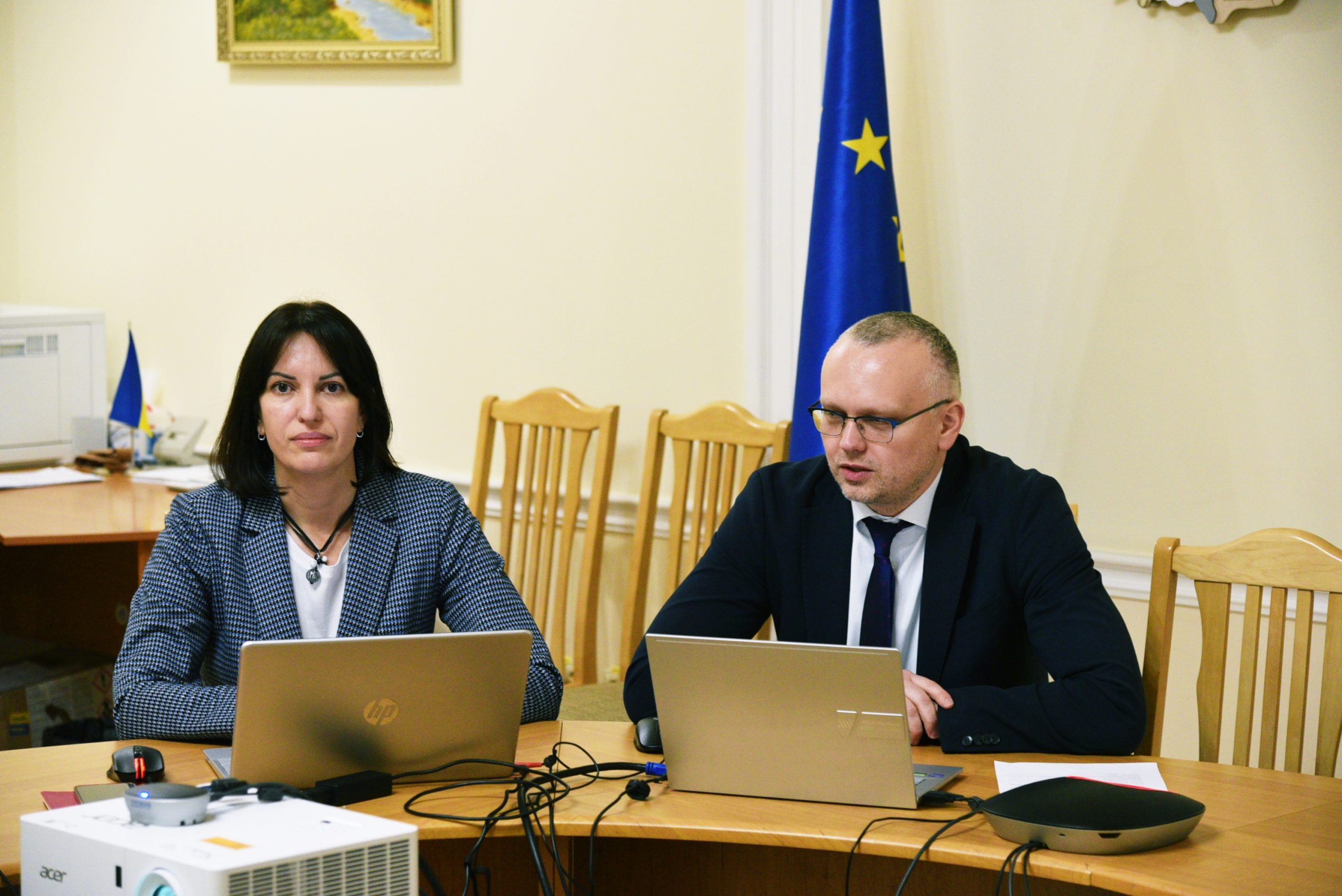
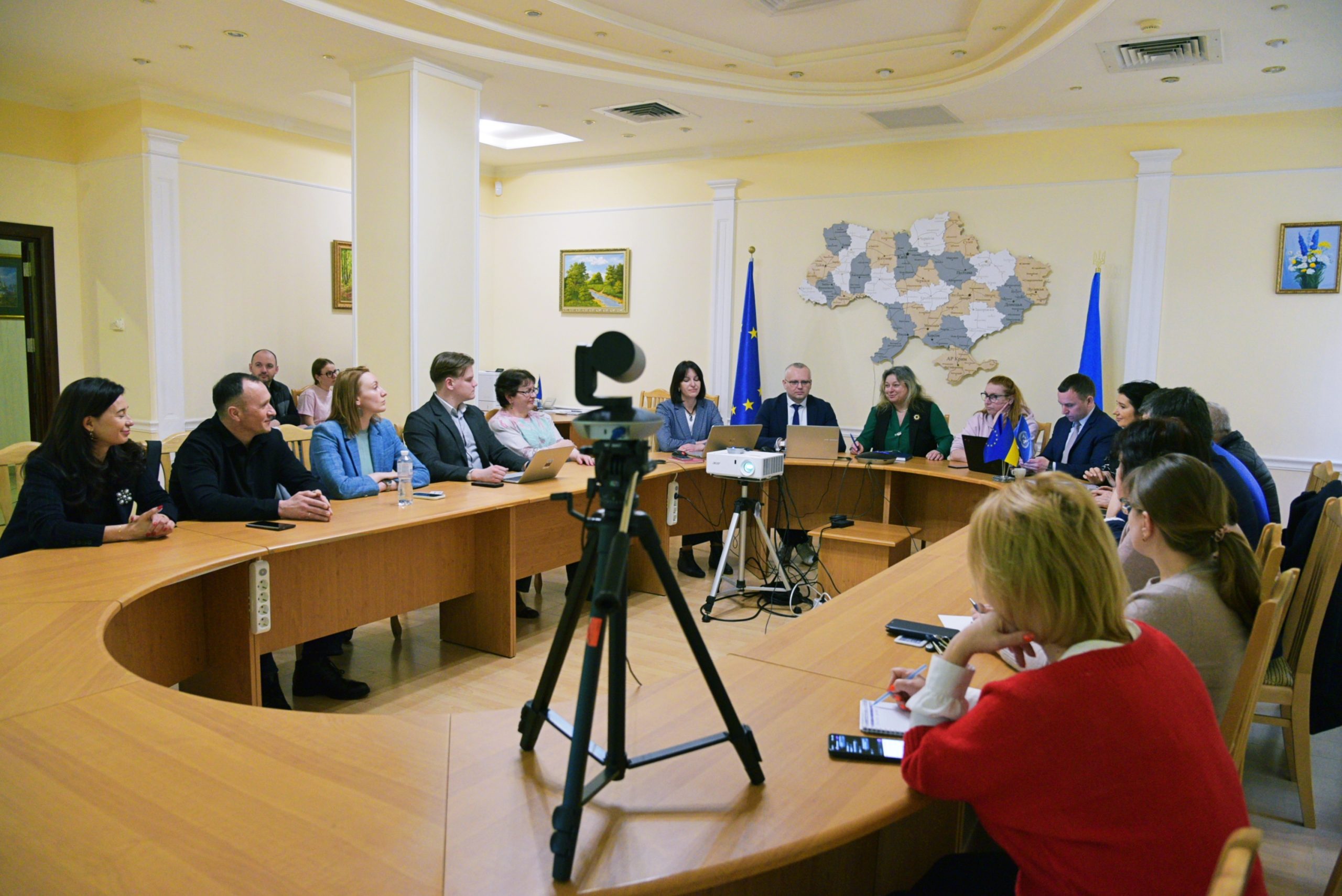
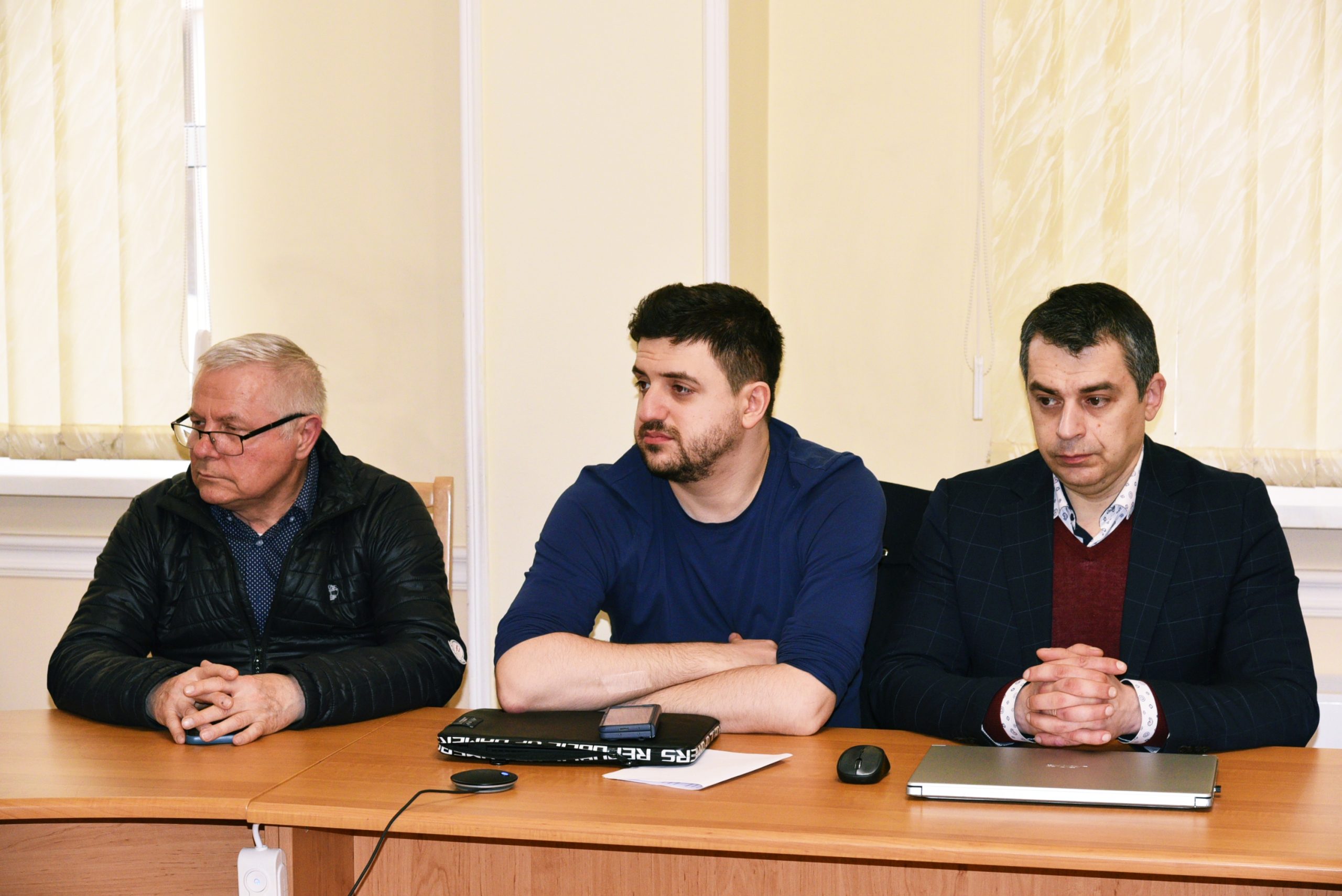
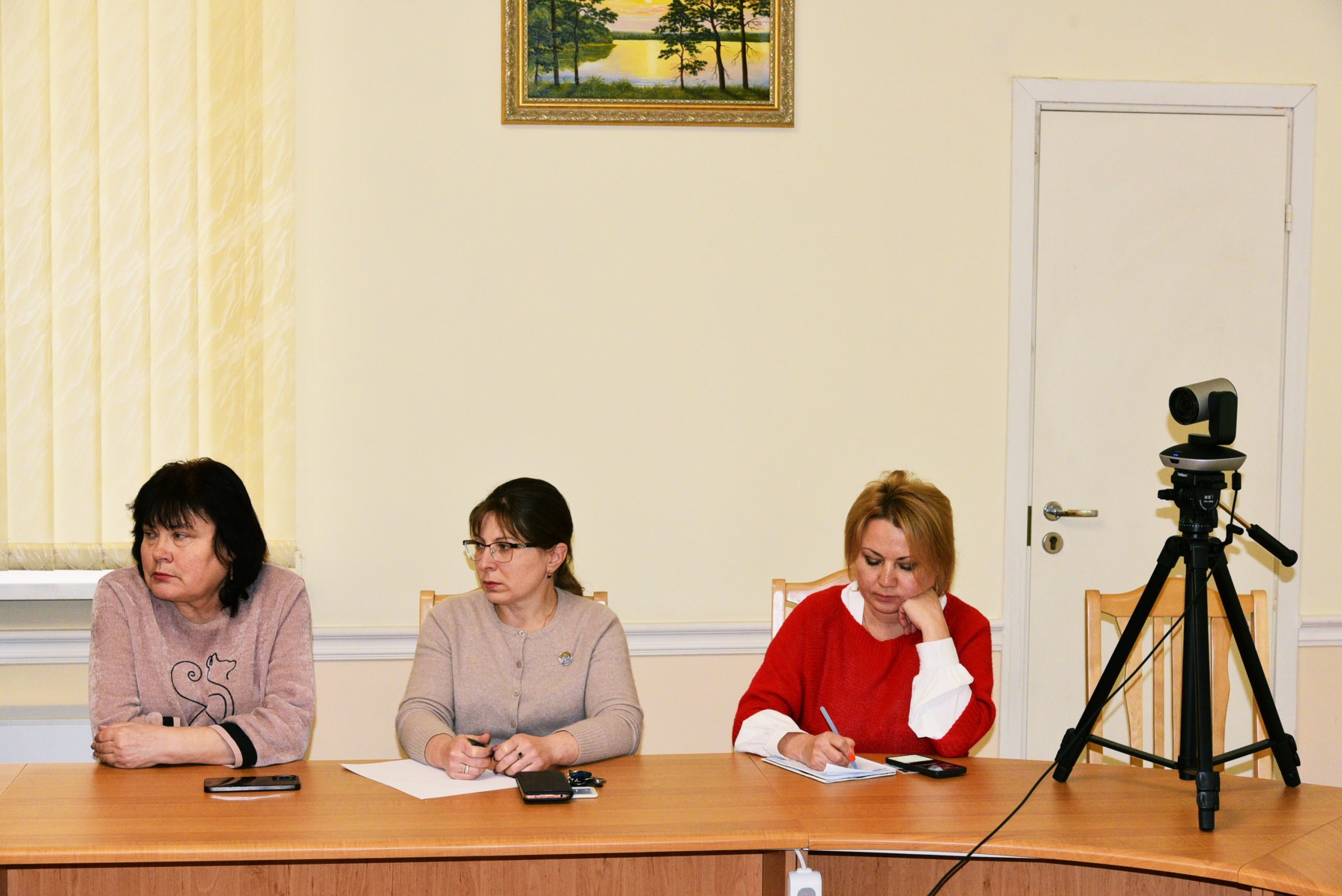
On March 12, 2026, the Ukrainian National Office for Intellectual Property and Innovations (UANIPIO/IP Office) hosted a roundtable discussion on the topic “The European TM registration model in Ukraine: practical impacts for applicants, businesses and patent attorneys”, organized jointly with the Ministry of Economy, Environment and Agriculture of Ukraine (Ministry of Economy) and the Ukrainian Trademark Association (UTA).
The event was opened by Inna Shatova, Acting Head of the Intellectual Property Division of the Ministry of Economy, who greeted all participants and drew attention to the tight deadlines for submitting the draft Law “On Trademarks” for approval to the central executive authorities, the Cabinet of Ministers of Ukraine and further to the Verkhovna Rada of Ukraine and encouraged all participants to actively participate in submitting their proposals.
Olena Orliuk, Director of UANIPIO, discussed the issues associated with the implementation of the European TM registration model in Ukraine, which is one of the commitments required for Ukraine’s EU accession process:
“The IP sphere and the IP Office itself face major challenges in the transition process to new digital tools and ensuring that the technological level of examination meets the new requirements. But owing to this, we will be able to conduct examinations within the timeframes under the European standards. Ukraine is moving away from substantive examinations based on relative grounds for refusal and we must address the issue of how to minimise the negative impact of dishonest competition in the market,” noted Ms Olena Orliuk.
The EUIPO system and a number of EU Member States apply for TM registration model under which the office conducts an examination of the application based on absolute grounds for refusal, while relative grounds are examined in case of an opposition against TM registration, during the invalidation of a TM registration or in appeals against the office’s relevant decisions.
The draft Law of Ukraine “On Trademarks” provides for a “post-grant” procedure – a process for filing appeals against national TM registrations and a procedure for invalidation of TM registrations based on the results of such appeals. Particularly, a similar model is applied in European countries such as Germany, Austria, Latvia, Switzerland, Finland and Sweden.
The implementation of such a model in Ukraine is aimed at the improvement of the effectiveness of the IPR protection system, optimisation of TM registration timeframes and the development of rights protection mechanisms based on the active participation of rights holders.
“The process of TM registration at the European Union level can be complicated and impractical for a local manufacturer focused on the Ukrainian market. Therefore, we fully understand that we must offer effective mechanisms that will make national registration appealing in terms of the time and cost of the procedure, primarily for small and medium-sized enterprises,” noted Bogdan Paduchak, First Deputy Director of the IP Office.
In her presentation, Tetiana Terekhova, Head of the Industrial Property Development Department of UANIPIO, highlighted the key features of the updated TM registration procedure and the practical impacts for applicants businesses and professional representatives and analyzed provisions of the draft Law that could minimise the risks of conflicting TM registrations.
Particular attention was paid to the discussion of potential tools for preventing bad faith registrations, which could be adapted from the practices of other European countries and implemented in alignment with the EU legislation.
Mykola Pototskyi, Deputy Director of UANIPIO, emphasized that the IP Office is fully aware of the challenges associated with the adoption of the new draft Law:
“We see three key challenges associated with the adoption of the new draft Law.
The first one is the redistribution of costs that businesses expect as a result of the legislative changes.
The second one is that the IP Office is changing its Registration model and proposing to enhance the functions related to informing applicants and rights holders; in other words, UANIPIO’s regulatory influence on TM legal protection is changing.
And the third challenge is our institutional capacity. We realize that there will be an increase in the number of appeals, requests to invalidate TM registrations and the workload of the Appeals Chamber. We are preparing to address these challenges and we have answers to the questions raised by the business.”
The participants in the discussion provided substantive comments and suggestions on the proposed draft Law, specifically regarding:
timeframe for conducting the examination,
amount of the fees,
requirements for power of attorney,
notifying rights holders of prior rights regarding potentially conflicting TM Registration applications,
resolution of domain disputes,
mechanism for reimbursement of costs in “inter partes” proceedings, etc.
The obtained feedback and suggestions will be systematised for further work on legislative changes.
For reference:
More than 200 participants took part in the discussion, including representatives of:
Ministry of Economy, Environment and Agriculture of Ukraine
Supreme Court
Scientific Research Institute of Intellectual Property of National Academy of Legal Sciences of Ukraine
Kyiv Scientific Research Institute of Forensic Expertise in Technology and Intellectual Property of the Ministry of Justice of Ukraine
Kyiv Branch of the National Scientific Center “M.S. Bokarius Institute of Forensic Science”
Centre for Intellectual Property Studies and Technology Transfer of the National Academy of Sciences of Ukraine
All-Ukrainian NGO “Union of Experts of Ukraine”
State Enterprise “Center for Forensic Examination and Expert Research”
The NGO “National Association of Patent Attorneys of Ukraine”






No Comments