



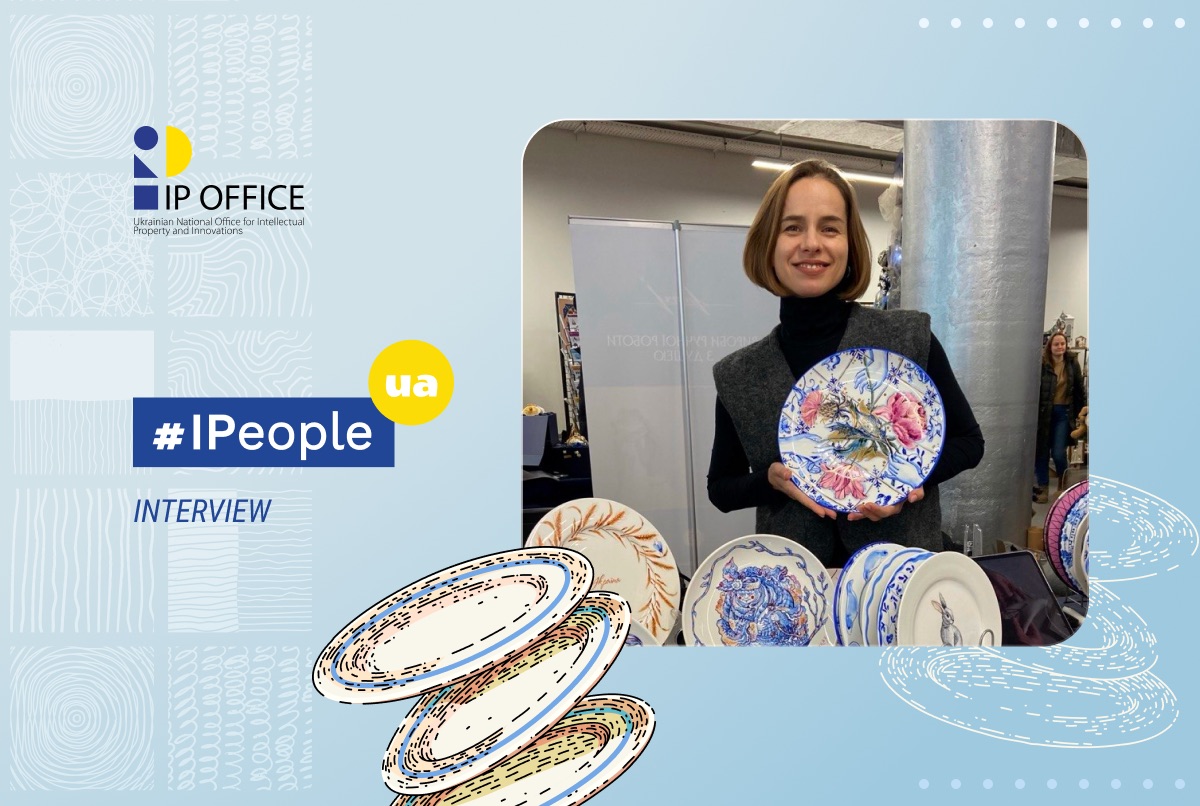
Halyna Hiedzievych, a participant of the IPeopleUA project, shares her memories of growing up in a family of artists, reflects on her journey from painting wooden panels and walls to creating porcelain and ceramic tableware and speaks about self-expression in art, fairy-tale imagery, the magic of Ukrainian visual culture, building her brand and the realities of running her own business.
“There are things you see only once in childhood and they stay with you forever”
– Halyna, how did your journey in art begin? As far as I know, your father was a well-known artist.
– Yes, I come from a family of artists – both my father and mother are artists and very talented ones. My father, especially… You know, most well-known artists – if not most, then almost all – had someone who promoted their work. Usually, that person remained behind the scenes but was deeply invested in supporting the artist or simply had the time to do so.
My family didn’t have such a person or that kind of time, but my father certainly deserves to be recognized among notable artists. My father, Stanislav Hiedzievych, was an exceptional artist – there was so much to learn from him.
When I was a child, my mother focused more on our development (I also have a brother and a sister); she ran a children’s art studio. Later, when I entered an art lyceum, my father took over. He knew an incredible amount and constantly talked about art. Then came my studies at the art institute… But all the essential, foundational knowledge came from my parents.
– Why did you choose the specialization of a monumental artist?
– In fact, my father was a monumental artist. And when it comes to painting from life, monumental art is what feels closest to me.
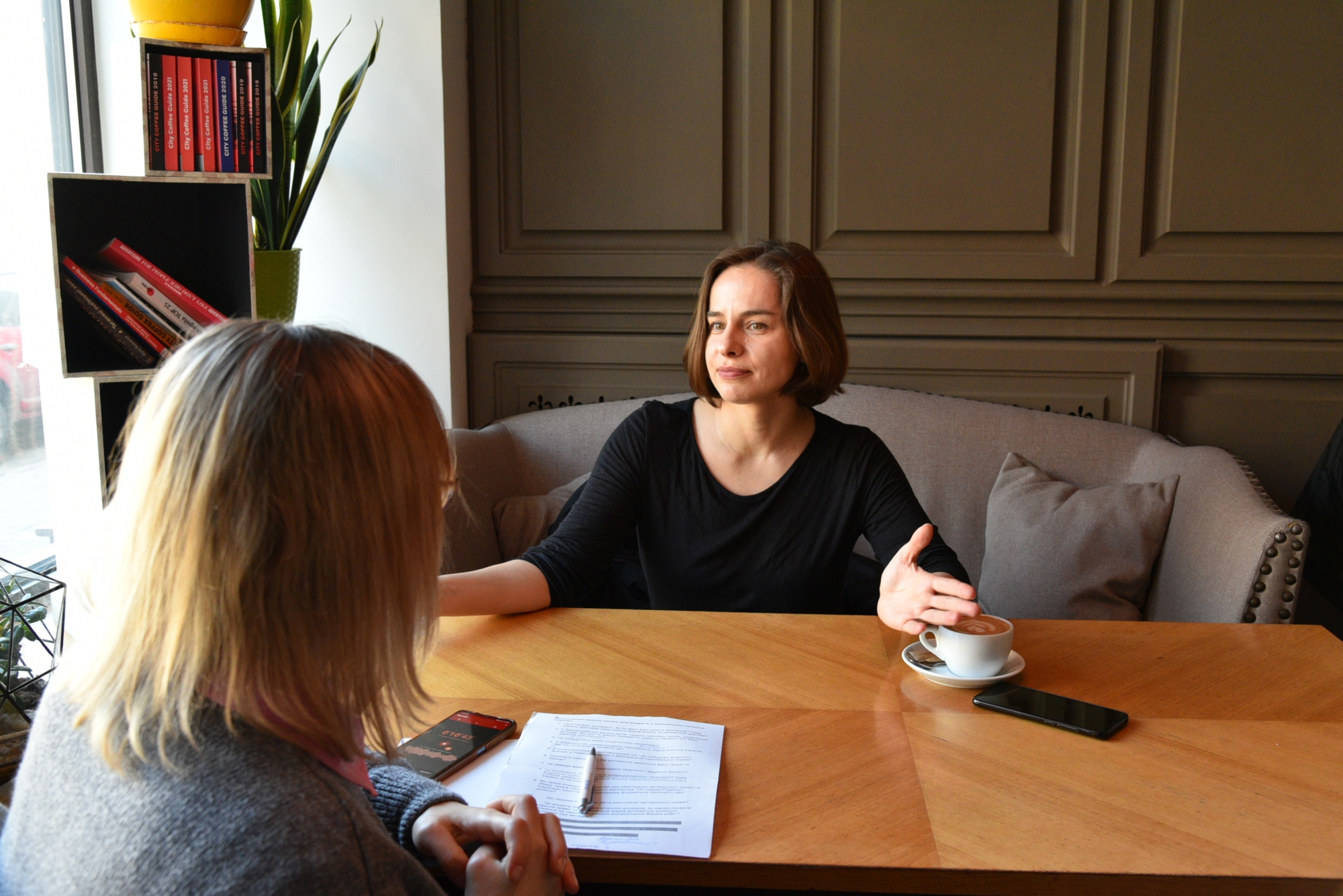
– Your “canvas” is porcelain and ceramics. Why did you choose these materials?
– I came to that gradually. When you grow up in a family of artists, the creative atmosphere becomes so natural that you stop seeing it as something special. Everyone around me was an artist: my parents’ friends, neighbors at our summer house, classmates at the lyceum and institute.
And as you grow older, you often reject what comes from your parents and your surroundings. For example, I loved ballroom dancing – the atmosphere, the self-expression. I practiced it for a long time, even though I started relatively late and understood I wouldn’t reach major achievements, since that usually requires starting in childhood.
Then my first daughter was born and dancing essentially disappeared from my life. I tried to return to it, but it was difficult, and I had to let it go. That’s when I felt a very strong need for self-expression again. I needed something through which I could process emotions. I started drawing and realized I could express myself through it.
– But you didn’t start with painting plates right away, did you?
– No, I started with painting wooden panels – old boards from window shutters in our summer house in the village of Khatky in the Poltava region (that name isn’t even on the map anymore). The idea came from my father.
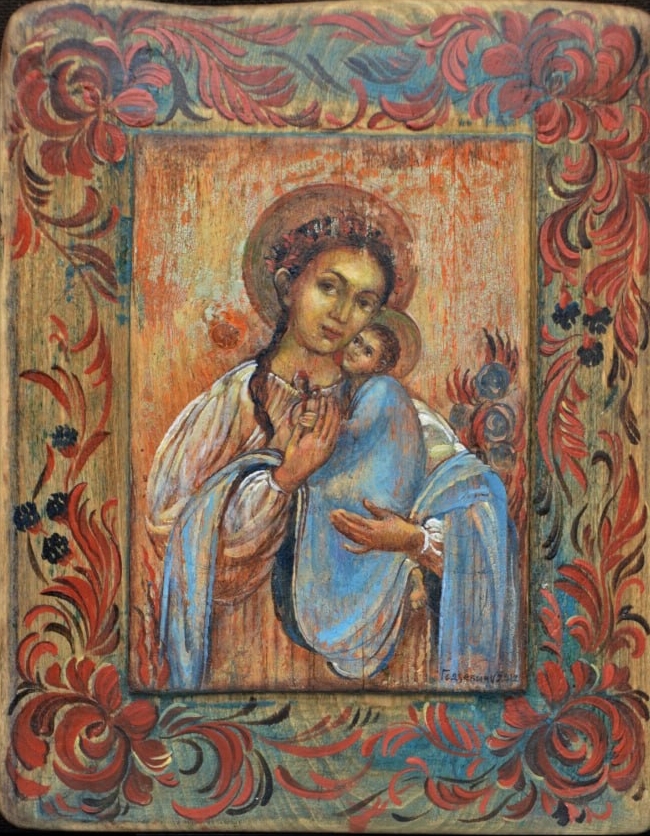
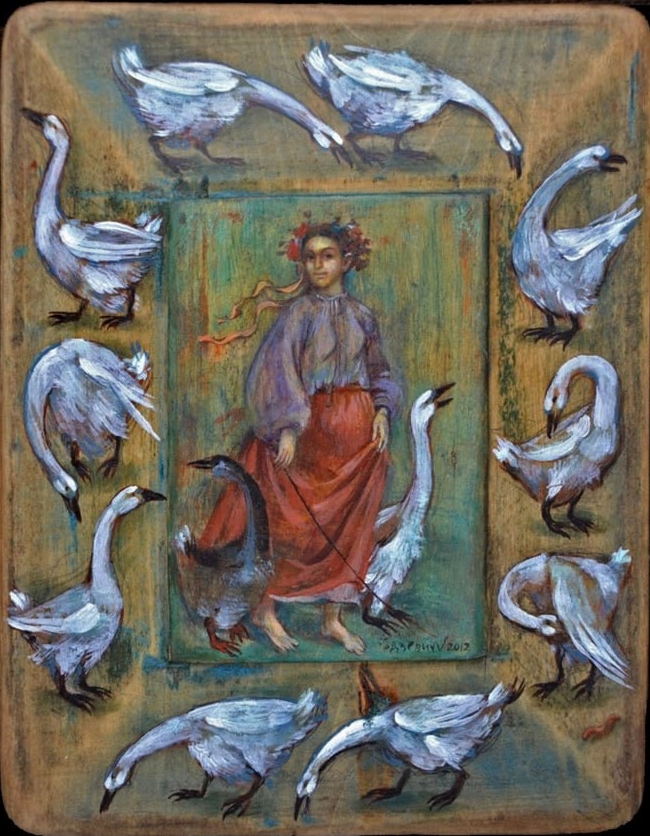
You know how when you take a blank sheet of paper and a pencil – especially if you’re not used to drawing – you feel intimidated by the emptiness? There was a monumental artist, painter and graphic artist, Viktor Hontarov, who taught my father. He used to say that before drawing, you should “ruin” the paper a little – smudge it with graphite, rub it, erase parts – so that a kind of environment appears. And once that environment exists, it’s no longer scary to work.
It’s similar with these panels: they’re easier to work with because they already have history – layers of paint, texture, character. You sand them down, first with coarse, then fine sandpaper and then paint – adding something to their story that, in your view as an artist, is missing.
I also started with panels because I could paint indoors while my child was sleeping outside. Later, when my daughter got a bit older, I had the idea to paint walls – because walls give you space, freedom, scale.
– Walls at home?
– No, we started with painting walls in hospitals. I say “we” because my husband supported my ideas and helped with everything organizationally. At first, we used my own materials, but later we started looking for people who could help cover costs, because it’s quite expensive.
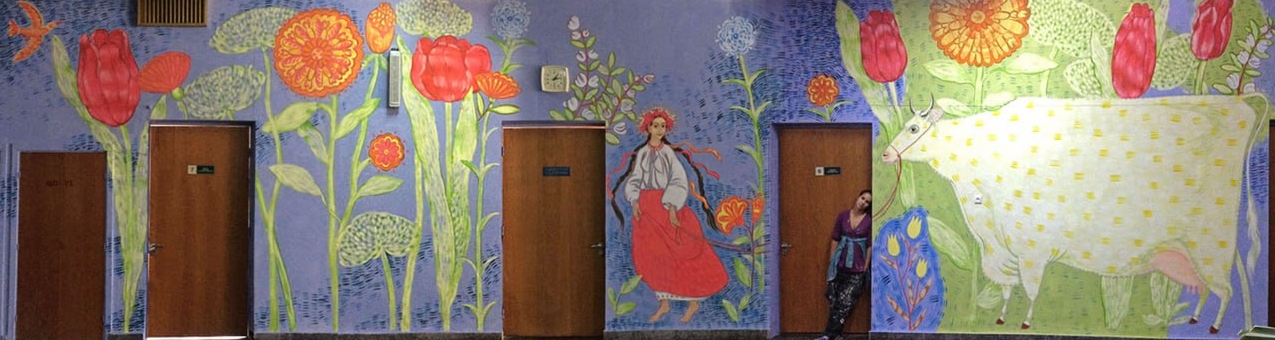
I was completely immersed in it. When we painted walls, the day would fly by. We painted many walls, although some have since been covered during renovations. But for about ten years, children visiting medical institutions saw these fairy-tale images. And that matters deeply to me. I believe children who saw walls filled with animals, plants and a magical Ukrainian world – rather than something frightening – grew up differently.
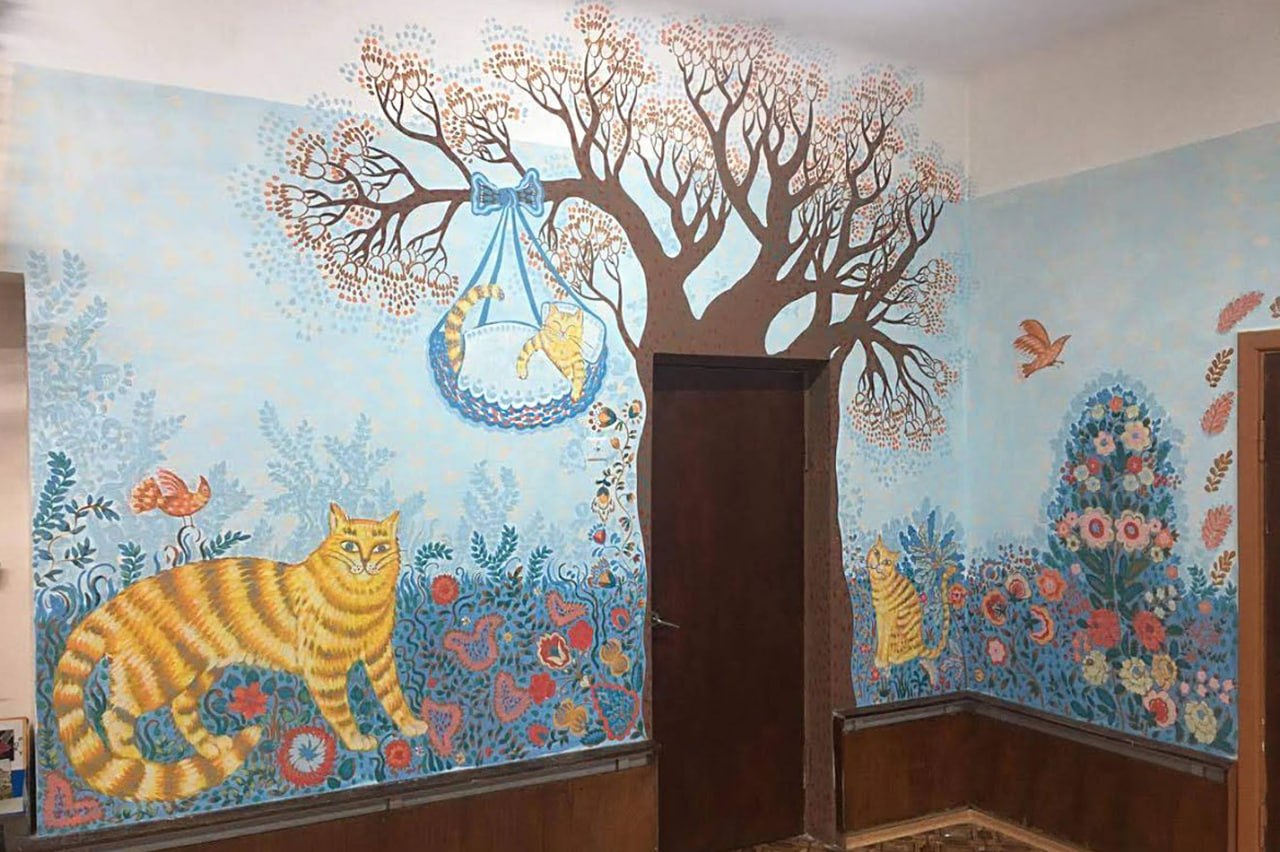
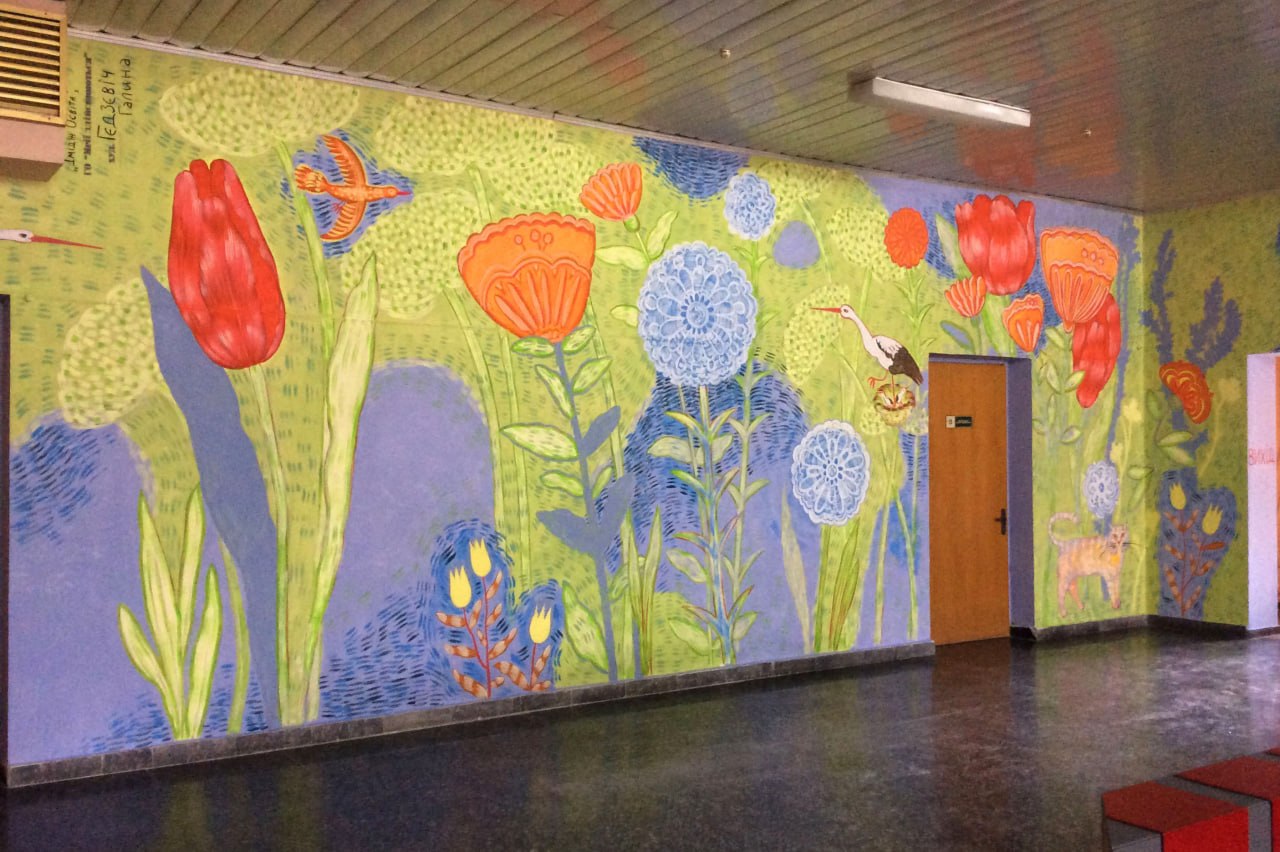
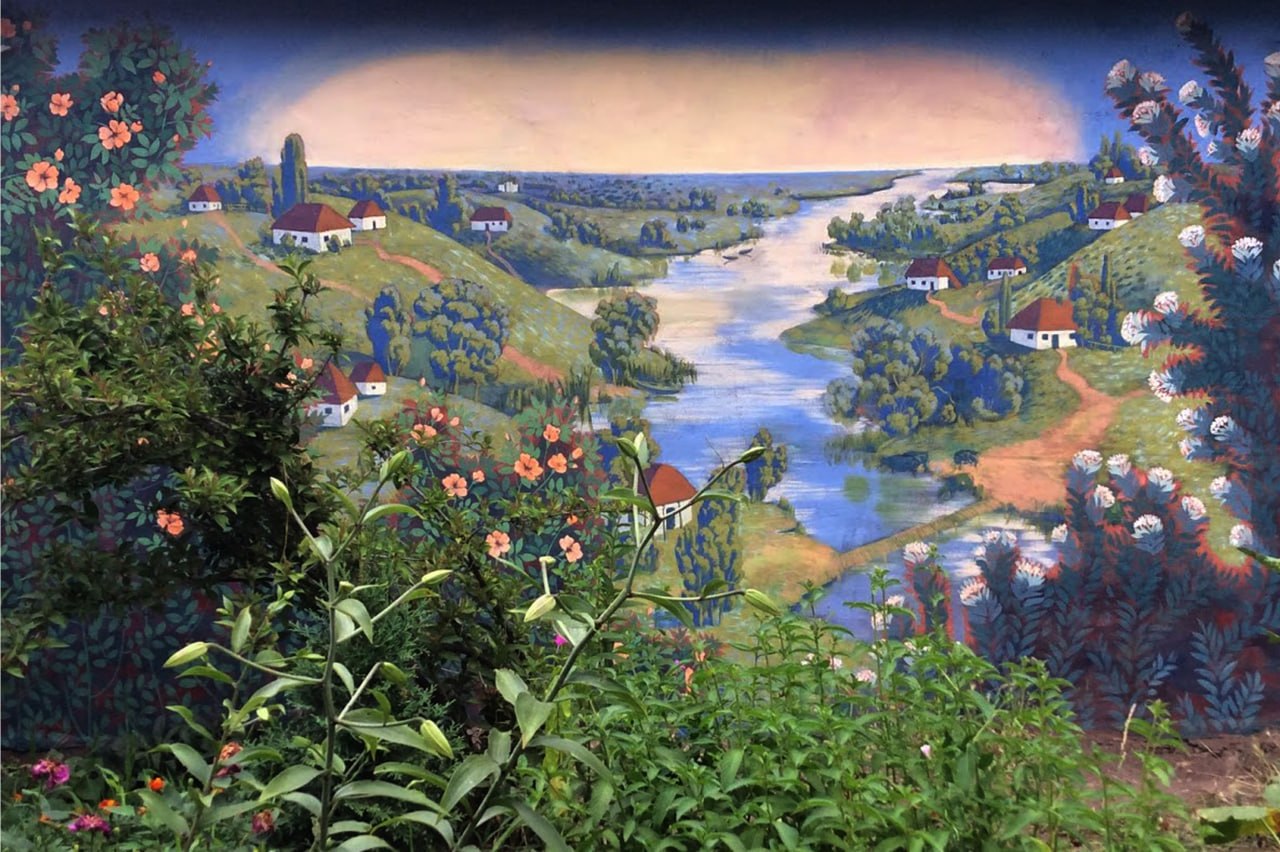
There are things you see even once in childhood and they stay with you forever. That was true for me. Near our house, when I was little, there was a wooden playground – very unusual, beautiful, with carved figures. I only played there a few times before it was dismantled. But I still remember it and the soul that had been put into it.
When I encounter things made with that kind of care, I understand that even one encounter can shape a child. That’s why such things are never meaningless. That playground inspired me to paint walls for children.
Later, I had two more children and it became harder to find time for wall painting. Around that time, I visited an exhibition in Kharkiv by ceramic artist Zhanneta Soloviova. It’s hard to surprise me – I grew up surrounded by art – but there have only been two moments in my life when I felt like crying because of art. One of them was at her exhibition.
I met her and she’s a fascinating person who still works in Kharkiv. Every New Year, when I visited my parents, I would go to her studio – to talk, to see her work, to get inspired.
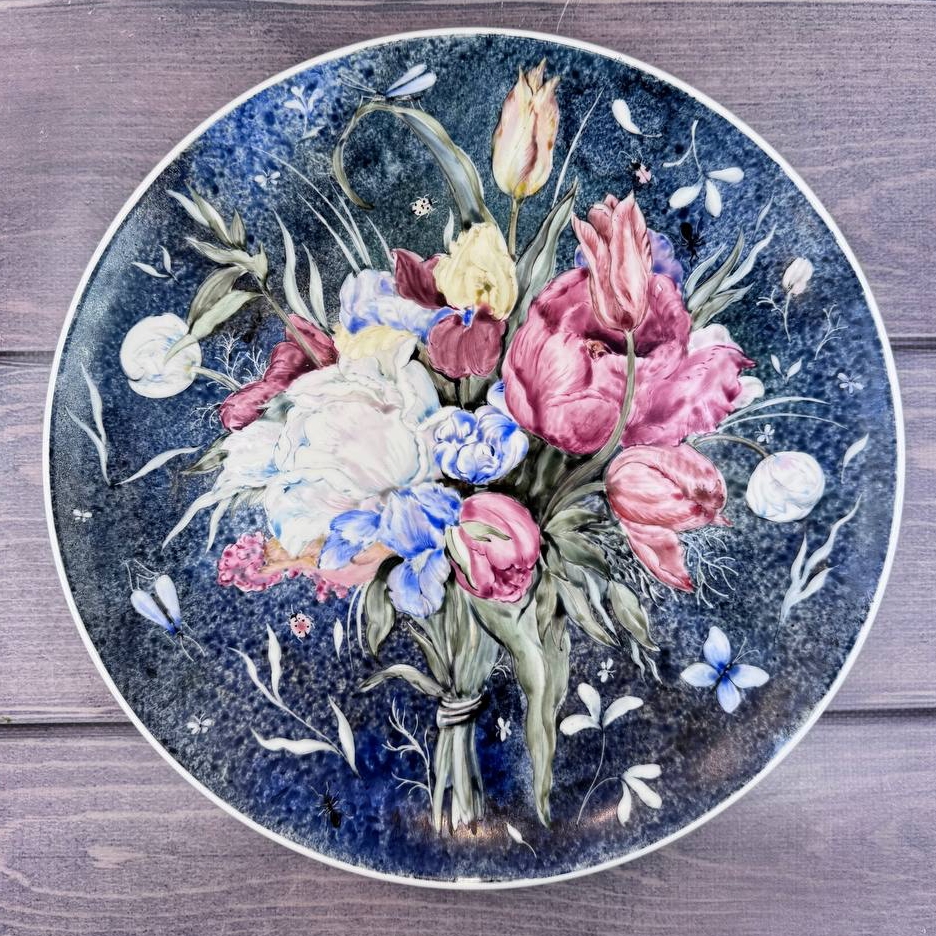
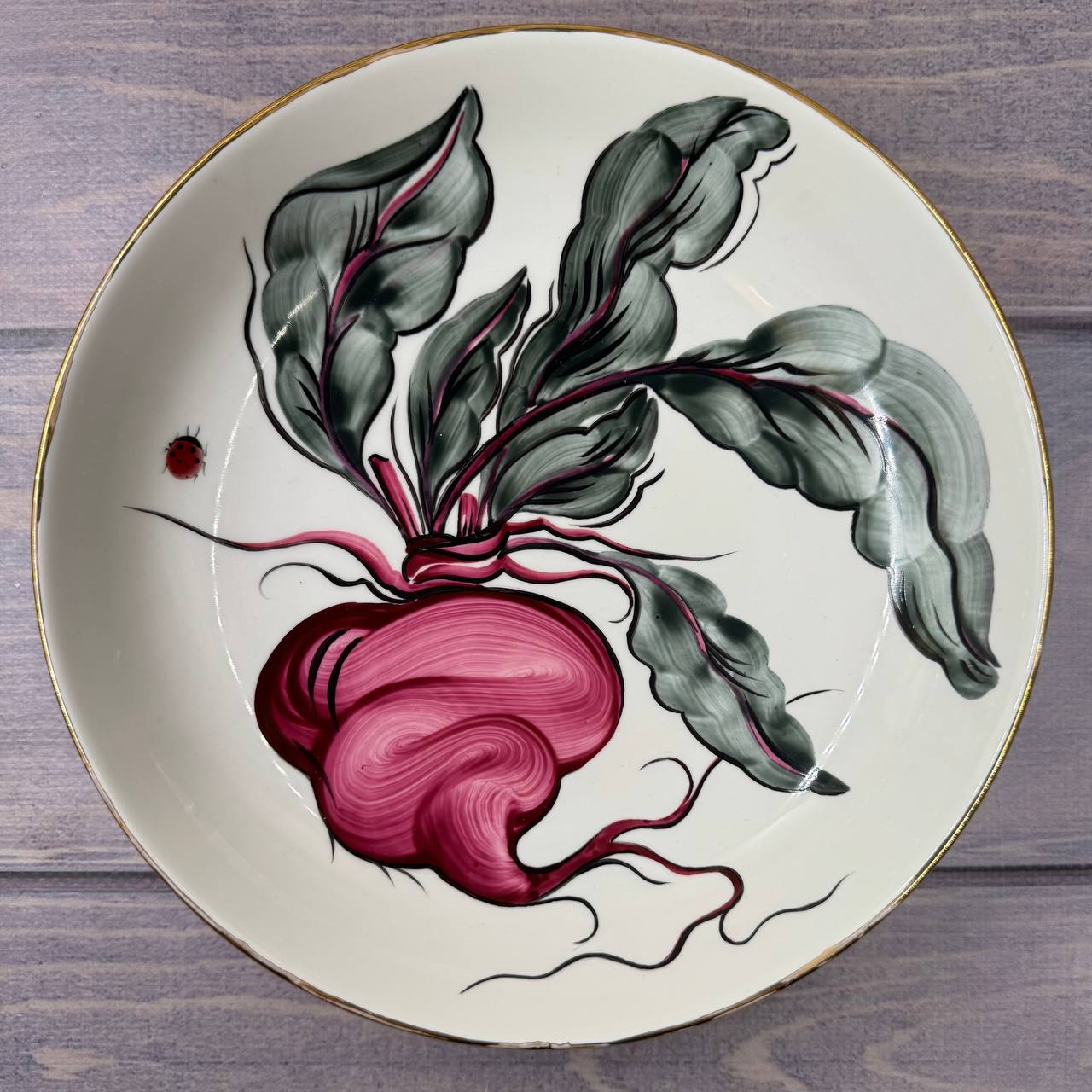
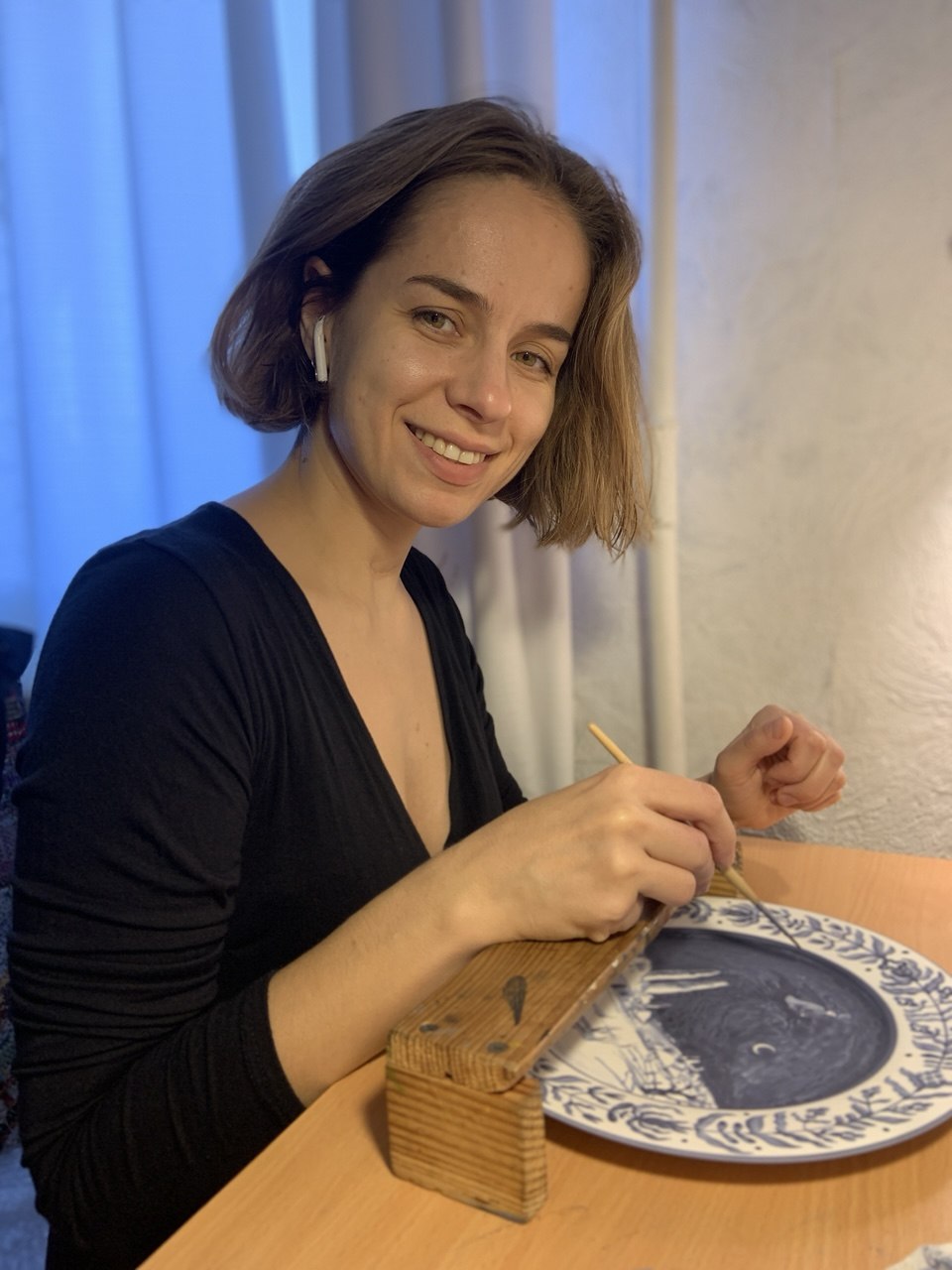
That’s where I had the idea to start overglaze painting at home. I didn’t have a studio yet (though creating one is in my near-term plans), so I painted plates, packed them and took them to a rented kiln. I started almost blindly, without fully understanding the technical process. It took several failed firings before I figured things out.
“An artist doesn’t have that much time to combine creativity and self-promotion”
– Your works feature many flowers, animals, fairy-tale characters and Ukrainian motifs. What emotions do you convey through these images?
– This is also connected to my childhood. As I mentioned, my mother is an artist and when we were little, she bought a lot of books – specifically choosing those whose illustrators she liked as artists. It so happened that those who worked with Ukrainian motifs were very strong illustrators. For example, I was greatly influenced by the work of Ukrainian artist and graphic artist Valentyna Melnychenko.
These images stayed with me, but later they transform through my own state and feelings. Depending on my emotional mood, I feel like painting different things: sometimes characters, sometimes flowers, sometimes entire сюжетні scenes. I paint what I feel and what resonates inside me and in this way I experience and convey my emotions. That’s how an artwork is born. And if it finds its buyer – that’s wonderful. When I paint, it’s important for me to receive a return: either emotional or financial.
– How does it usually happen: do you create a work and then offer it to buyers?
– I try to work exactly like that. This is the ideal scheme for me: I create – I present – people like it – they buy it. Sometimes people ask me to repeat my own work, but I don’t really like doing that. Because, for example, right now I feel like painting flowers – and that’s it. I can’t work in series: I’ve tried, but then I start to feel exhausted, burned out and I lose the desire to create.
– What if there’s a commission but you don’t feel like doing it?
– When someone writes to me with a proposal, I first ask them to describe the idea and only then decide whether I can do it. Sometimes I realize: it’s not that I can’t (technically, I can do almost anything), but there’s an inner feeling that it will emotionally drain me. In such moments, I don’t even want the money – and I refuse. It’s good that I have a husband, so I won’t be left without financial support (smiles).
– How do you balance art and business?
– For something to sell, you actually need a system. As a child, artists seemed a bit strange to me because they appeared to rely on chance – whether their works would be bought or not. Even then, I was convinced that there must be some kind of structure that allows you to earn at least a minimal income. And now I know that it exists and works.
First, there must be supply – a certain number of finished works. Second, there must be constant promotion, preferably focused on what already sells well, with variations in themes.
At the same time, you have to understand that an artist doesn’t have that much time to combine creativity and self-promotion.
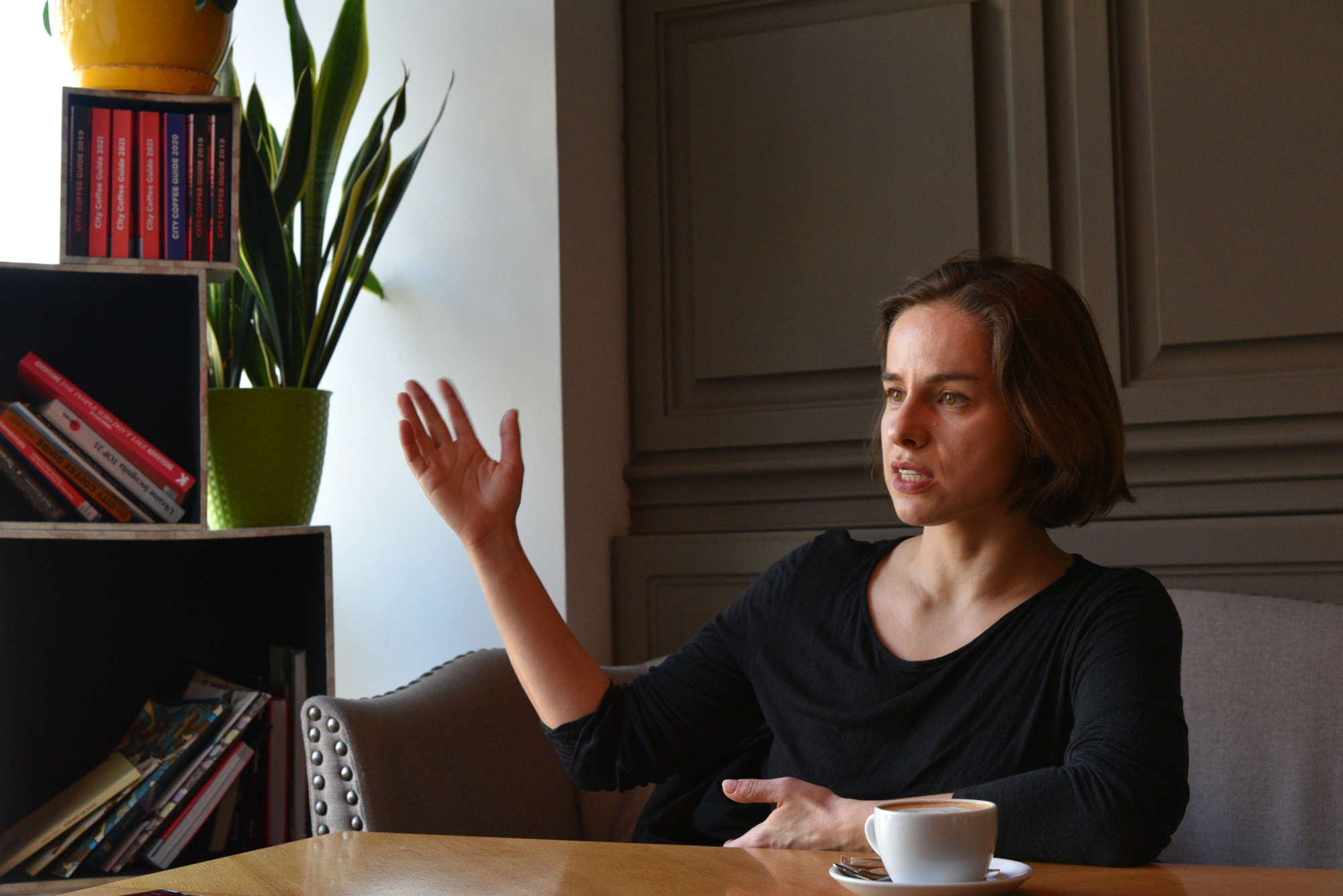
I grew up in the 1990s and early 2000s and saw many poor but outstanding, strong, unique, in their own way “cosmic” artists. I understand that I will hardly reach the level of my father, but at the same time I see many things around me created by people with a lower level who live quite well and even earn money. At the same time, not many truly strong artists have a stable income.
And even as a child, I wanted to live well: to dress nicely, to eat quality food. Now it’s important for me to give my children what I lacked. I understand that my husband provides for the family, but I feel uncomfortable asking for money – it creates a very unpleasant feeling. For me, money is about freedom. At the same time, if you create only for money, the sense of meaning in life disappears.
– How long does it usually take you to create one work?
– There are different approaches to working. When I’m fulfilling a commission, it’s one process. But if I want to come up with something new, something of my own, I need something completely different: to immerse myself, to step away from everything, to get lost in my village, to be alone, to live through a certain state. It’s impossible to create something new while doing other work at the same time. If you want to create something new, you have to allow yourself to do nothing else.
It looks like this: you walk, for example, through the forest, you think, you go deeper into yourself, you try something – it doesn’t work, you walk again, you search… And suddenly, at some point, something “clicks.” A foundation appears and other elements begin to “attach” to it. You keep thinking, accumulating, trying to draw, looking for options.
And when the idea is already formed, the actual painting process takes much less time. It is also interesting, but it becomes more mechanical. If the work is complex, it may take several days, sometimes with multiple firings. Because in overglaze painting, you cannot go over the same spot twice with a brush: you apply one layer – fire it, then the next layer – fire it again.
“It was important for me that the brand name be simple, memorable and easy to find online”
– Halyna, your brand is called “KOLOS Ceramic.” How did the word “Kolos” appear in the name?
– You know, many things in life happen by chance. I was already actively painting plates, but I didn’t have a brand name. And my husband said: you need to register a trademark, because it’s not right to exist without a name. But I didn’t know what to call it. That’s when the search began.
My first name is quite common and my last name is complicated – almost no one spells it correctly the first time. If I tied the name to my first or last name, people simply wouldn’t be able to find me online: either because there are many Halynas, or because they would misspell my surname.
I thought about using a beautiful family name, but there were already people with those names in the information space. So I wondered: what should I do? I started playing with ideas: a plate is a circle… But “kolo” (circle) was already taken. Then I wrote: kolo, ceramic… I combined “kolo” and the “s” from “ceramic.” Then I realized it would be better to write it in English right away – “Kolos.” I needed to resolve this quickly, so I thought: let it be “Kolos.”
It was important for me that the brand name be simple, memorable and easy to find online. I looked at other brands: they have simple names – and it works. So it wasn’t some big concept – it was a practical decision. I just needed to register the trademark quickly.
– I’ve seen that on the back of your plates there is your “signature” element – ears of wheat. Did that appear after the trademark registration?
– Trademark registration is not a fast process. I was already drawing the ears of wheat when the application had been submitted, but the trademark itself had not yet been registered.
– You have also registered copyright for a Christmas collection of visual artworks. Was there any story related to its copying?
– Not specifically for that series. But there was another case. When I was dancing, I created several works featuring dancing girls. They were seen in the dance studio where they were displayed and someone wanted to order similar ones. But I was pregnant at the time and couldn’t take on the work. They asked me to send photos “just to take a look.” I sent them – and they simply printed the images and hung them up.
I understood that anyone who buys or even just sees my plate can copy it. And this Christmas series of plates sells well and is almost always available. So I wouldn’t want something like that to happen to it.
– Do you plan to register your other works?
– Yes, I do. I’ll see what becomes popular and I’ll register those works.
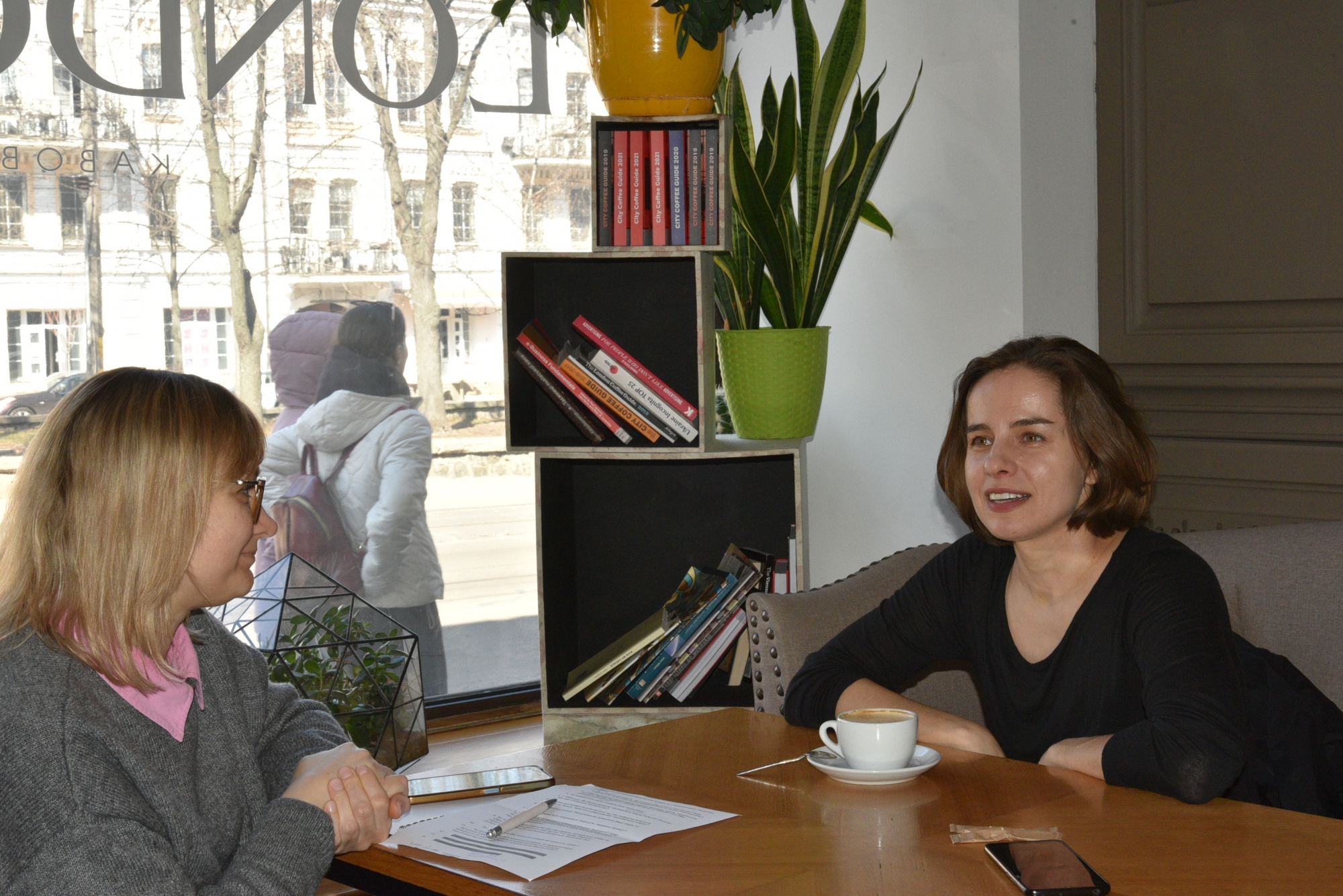
“I paint what I want my children to see every day. That’s why it matters to me that my painted plates are on the table, not hanging on the wall”
– Which of your works would you never sell?
– Mine? I would sell any of my own works. But there are my father’s works that I would never sell. My father passed away two years ago. He had just finished a large commissioned piece. The client didn’t manage to pick it up or pay for it. We needed the money and my brother, sister and mother were not against selling it. But I said no. In the end, I didn’t let the family sell that work. I don’t know whether it was right or wrong, but I want my children to have my father’s works.
– What inspires you now?
– Children’s themes. Those childhood books still stay with me. I still have many children’s books, although I don’t have much time to read them to my kids.
And I’m also inspired by trips to the village where my parents’ country house is. I grew up there – it’s my place of strength.
You know, in life there are observers and inventors. An observer is someone who sees and reproduces what they see as accurately as possible. An inventor is someone who sees, but creates something of their own based on it. If a person draws well from observation, it doesn’t necessarily mean they are a great artist. A true artist is an inventor – someone who creates something original and unique.
– Are you an inventor?
– I try to be (smiles). It’s very hard to talk about yourself. I can assess my level: not extraordinary, but a good artist. At the same time, there are artists I still have a long way to go to reach. I am not my father and probably never will be.
– What is your uniqueness?
– My uniqueness is probably connected to my childhood. It was very warm and I still carry that feeling within me. Any art is about conveying emotions. I convey emotions I experienced in childhood, and they can manifest in very different ways, in different styles. I think I can give people a sense of home comfort, something familiar and close from childhood.
I paint what I want my children to see every day. That’s why it’s important to me that my painted plates are on the table, not hanging on the wall. I always say that my tableware can and should be used in everyday life. Especially when there are children in the family – it’s very good when such things are constantly in front of their eyes. You see it every day – and grow up in an atmosphere where objects breathe with stories and emotions from childhood.
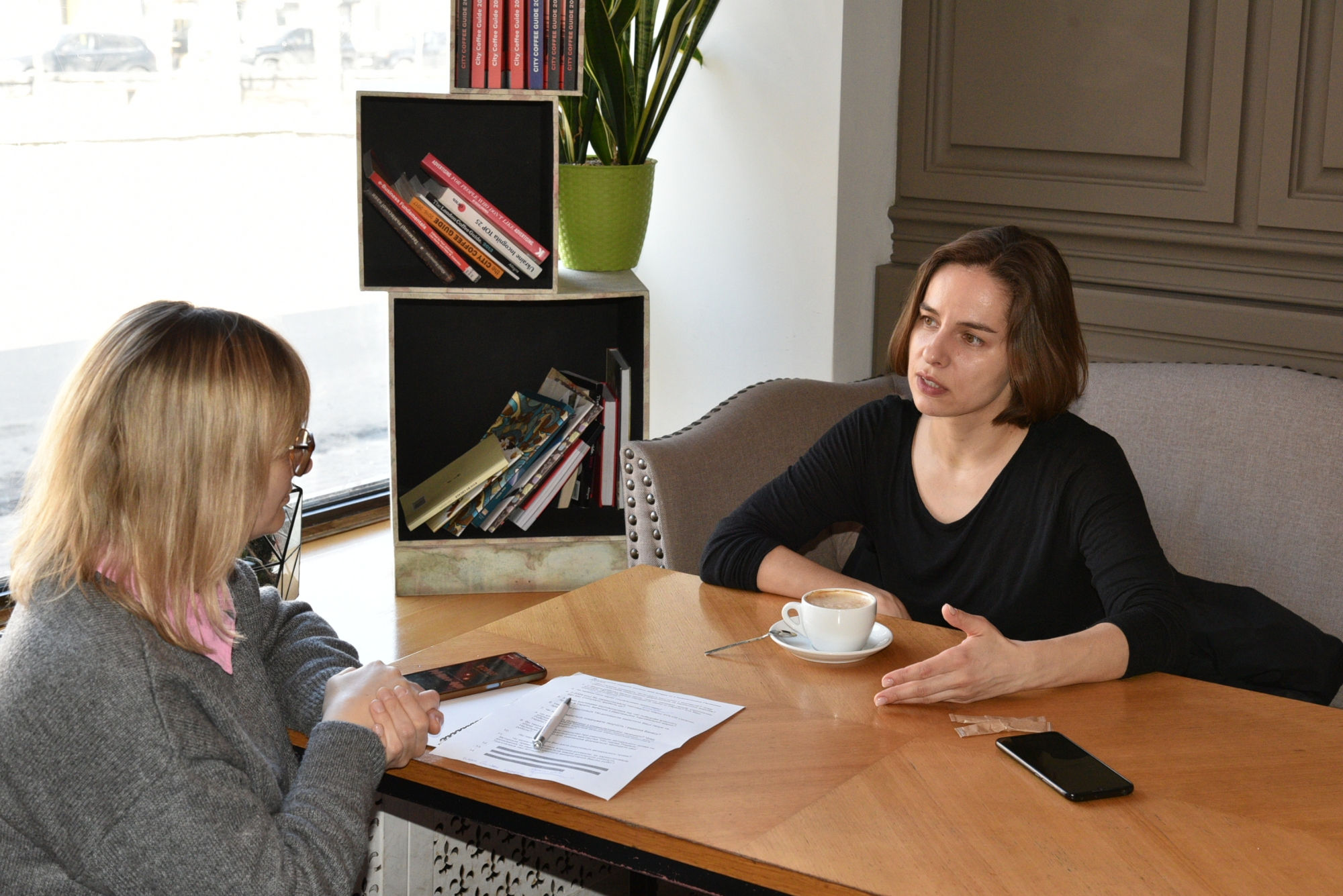
Photo: Ukrainian National Office for Intellectual Property and Innovations and from the personal archive of Halyna Hiedzievich.
For reference:
IPeopleUA is a project of the Ukrainian National Office for Intellectual Property and Innovations (UANIPIO/IP Office) about people who create intellectual property and those who help register it, ensure its protection and defend it.
IPeopleUA aims to reveal the meaning and value of IP through the stories of Ukrainians, as well as to demonstrate how intellectual property works in real life: help to develop creativity, build reputation, scale businesses, enable commercialization and preserve intellectual heritage.
The stories in the project highlight creators, inventors, innovators, founders of brands and startups, scientists, patent attorneys, IP lawyers and other representatives of the intellectual property field. Each of them discovers intellectual property in their own way: through creativity, innovation, business, science, family craft or profession.
If you have stories related to intellectual property that you would like to share, please write to us..
Read also:

No Comments