



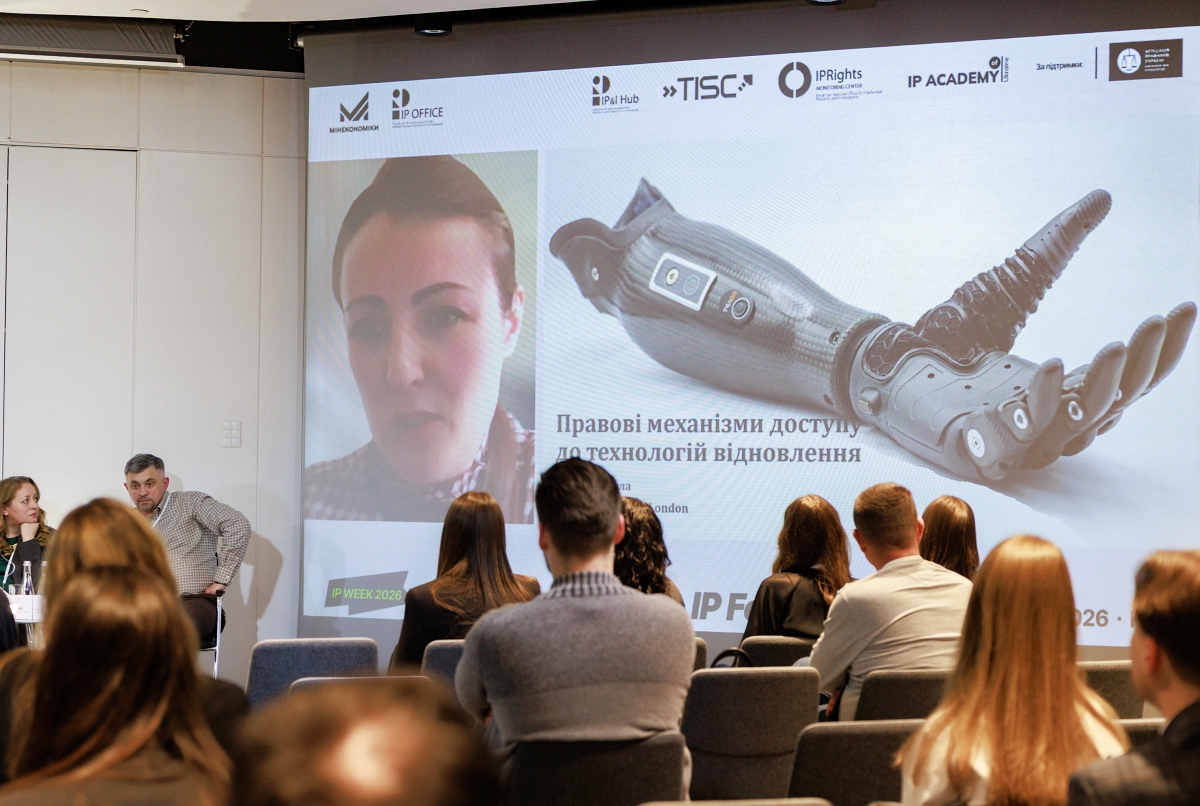
The event featured a discussion on how intellectual property, medical innovations and technology are changing the opportunities available to athletes, veterans and people with amputations.
The third session of the SPORT & IP Forum was dedicated to an important topic: “Rehabilitation technologies: innovations that bring back to sport.” It covered the following key issues:
The session was moderated by Oksana Kashyntseva, Head of the Center for Intellectual Property Law Development at the Ukrainian National Office for Intellectual Property and Innovations (UANIPIO/IP Office), who emphasized that the discussion focused not only on sports as an industry but also on sports as part of broader social well-being – in connection with healthcare, rehabilitation and quality of life.
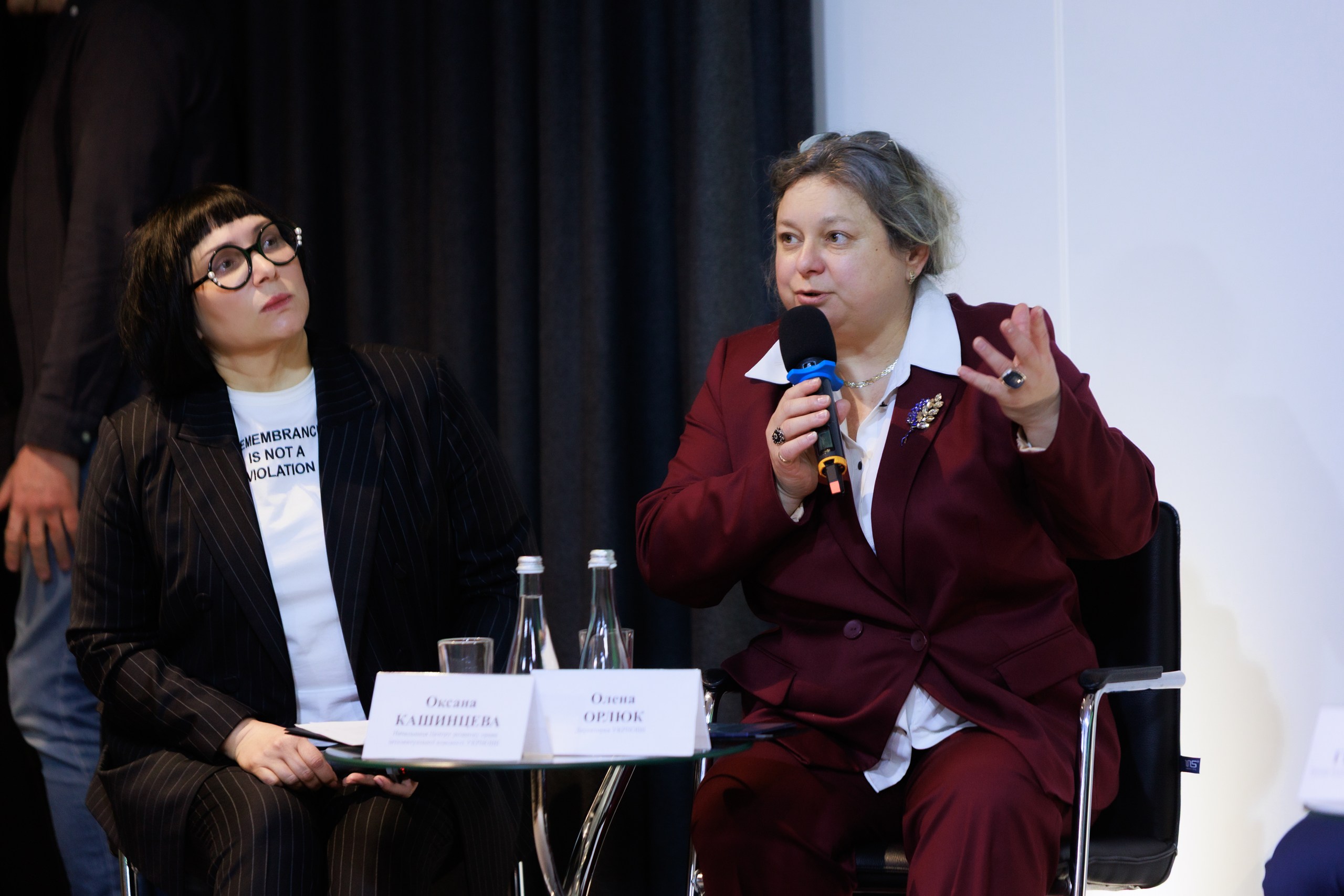
Oksana Kashyntseva (left) and Olena Orliuk
The first to speak was Olena Orliuk, Director of the Ukrainian IP Office, who pointed out that when talking about innovation in sports, it is important to consider not only high technology and large markets, but also the real needs of society – especially in the context of war:
“If we look at the European experience, Germany is one of the leaders in terms of the number of registrations in the sports sector. Between 2020 and 2025, 1,494 applications were filed there in the spheres of sports, sports-related entertainment and sports equipment. In Ukraine, during the same period, we have 20 patents for inventions, 121 patents for utility models and 20 registrations of industrial designs in this sphere.
However, today we must speak not only about sports, but first and foremost about the realities in Ukraine, where sports coexist with war, rehabilitation, access to technology and quality of life.
A large percentage of people in Ukraine need prostheses: affordable, high-quality, functional ones that would enable them to adapt to a full life. Technology continues to evolve and competition in this market will only intensify.
Intellectual property, in this context, is becoming an integral part of culture. It must work for the author, creator, inventor, developer, innovator and consumer. Therefore, we must learn to protect our innovations effectively and treat them as a commercial tool. That is why it is critically important today for the State, business and society to work together to develop an understanding of how IP works.”
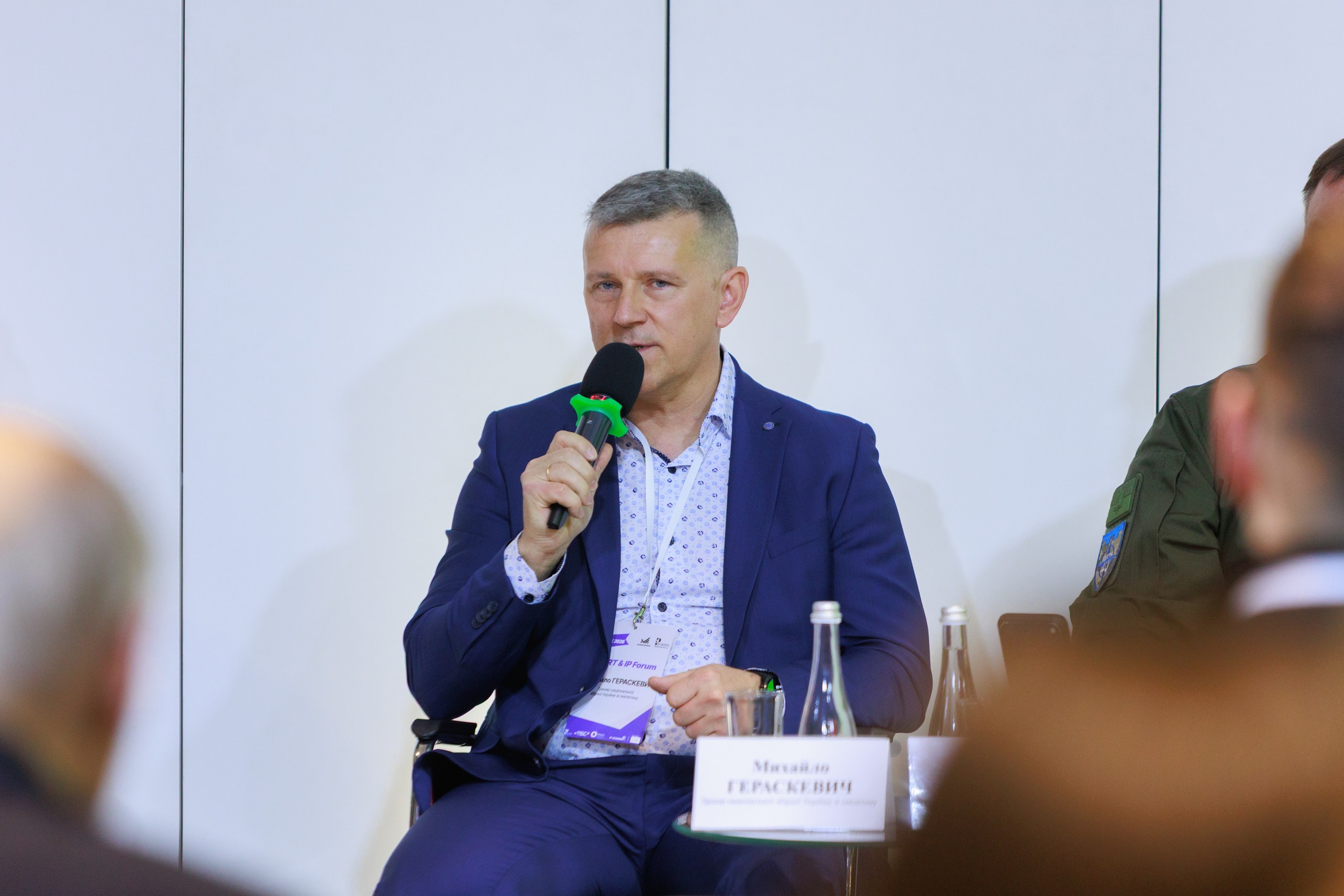
Mykhailo Heraskevych
Mykhailo Heraskevych, coach of Ukraine’s national skeleton team, joined the discussion. He emphasized that modern sports are increasingly dependent on technology and that Ukraine needs its own infrastructure to develop innovative sports equipment:
“Modern sports are moving forward together with technology. We see this in modern athletics running tracks, in footwear and in equipment. In Ukraine, in those sports where modern gear and equipment can be purchased, there isn’t a significant gap. But there are sports, such as skeleton, where the key advantage comes not just from access to equipment, but from our own scientific developments.
In Germany, for example, there is an applied research laboratory dedicated to the needs of sport: it collects requests from athletes and coaches, passes on tasks to technical universities and then brings solutions to the testing and practical application stages. This is a full cycle – from idea to ready-made equipment.
If Ukraine had such a research and development laboratory, everyone would benefit: athletes, students, industry and military development. We have young people capable of working on such projects; we have the knowledge, we have the demand. The question is whether we can create a system for this.”
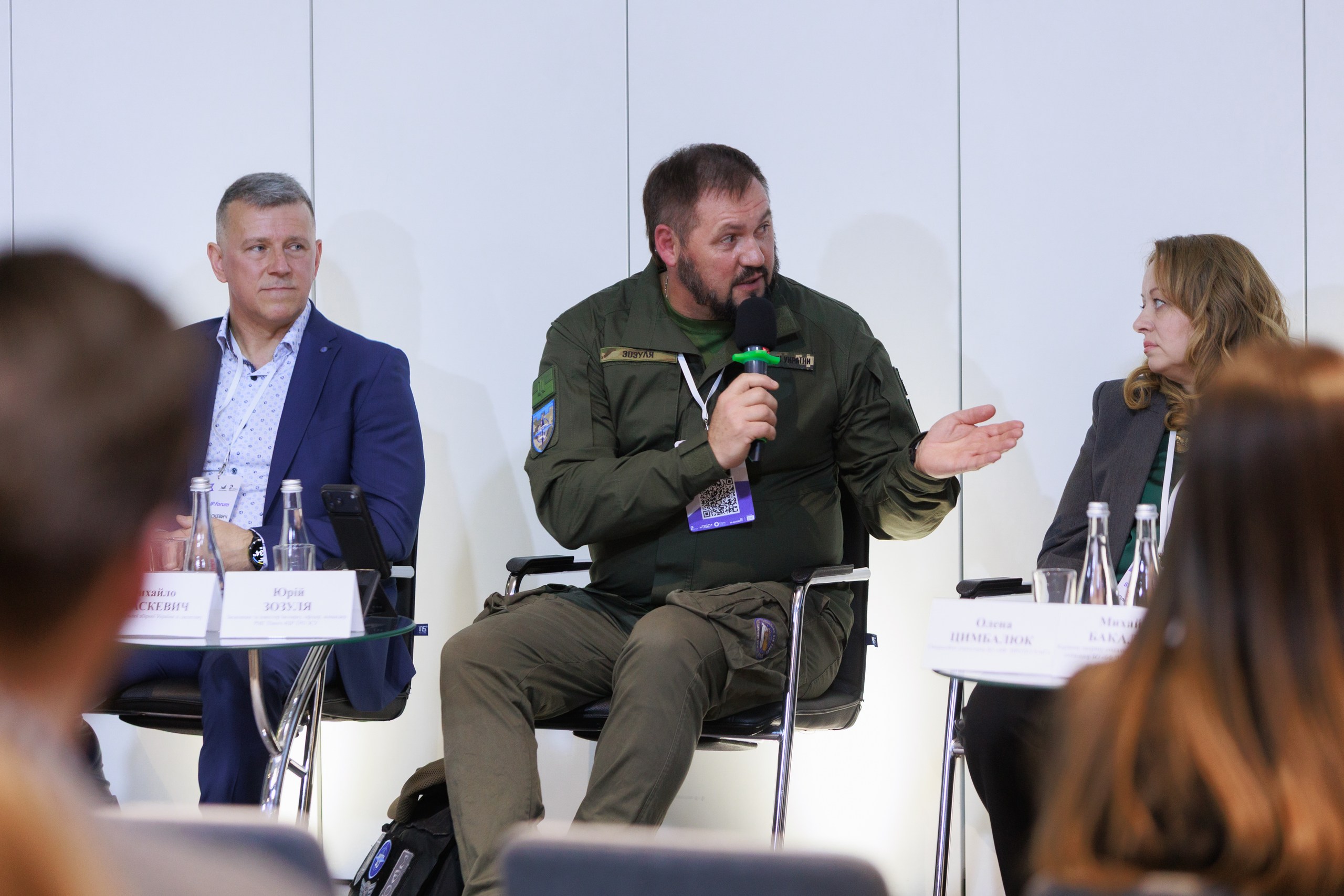
Yurii Zozulia
Next to speak was Yurii Zozulia, founder and investor of Xpark, an officer and commander of the Northern 4th Combat-Reconnaissance Brigade of the Ukrainian Armed Forces, who emphasized that in wartime, innovation in sports and rehabilitation must begin with a comprehensive ecosystem of accessibility and inclusivity:
“Today, the main task is not simply to provide a person with a single piece of equipment or a single activity, but to create conditions that allow them to once again feel capable of living a full life. That is why we are not talking about a single device, but about an entire ecosystem: from specialized transportation and barrier-free access to equipment that can be adapted for various types of amputations.
Every case of amputation is unique. Each time, we need to find a personalized solution that not only provides a person with technical capability but also restores a sense of wholeness.
We constantly face the fact that such solutions are born here, on the ground, but don’t get formalized in time. If we don’t learn to work quickly with such innovations and protect them, someone else will document, patent and then sell back to us what actually originated from Ukrainian experience.”
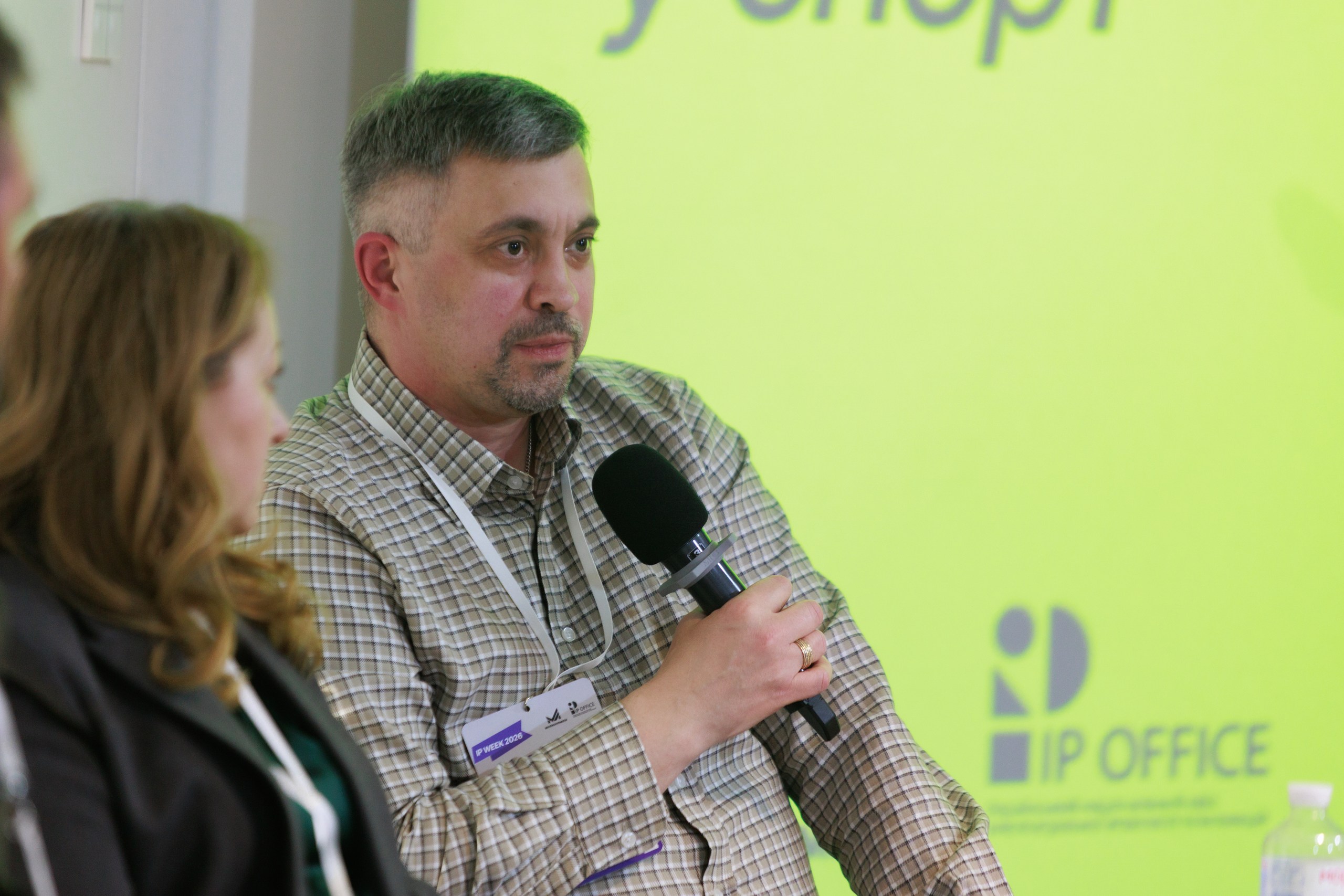
Mykhailo Bakaliuk
Mykhailo Bakaliuk, Head of the veterans’ social support division and ambassador for the charitable organization “PROTEZ HUB Charitable Foundation,” a veteran of the Russian-Ukrainian war, also joined the discussion. He shared his personal experience using a prosthesis and emphasized that no technological solution is universal:
“No modern prosthesis, even the most expensive one, can replace a healthy limb. It is an aid to rehabilitation that allows you to get as close as possible to natural movements and feel more whole.
A high-quality prosthesis isn’t the one that’s the most expensive or made from the most innovative materials. A high-quality prosthesis is one that meets your daily needs. And there is no ready-made universal solution for everyone. Even amputations at the same level require different technical approaches, different stump lengths and different ways of using the prosthesis for different people.
In rehabilitation, it is very important not just to immediately “push” a person into activity, but first to teach them to accept themselves as they are now. Without this, any other achievements will be temporary. First, you need to adapt to yourself and your environment and only then think about sports and which direction to move in next.”
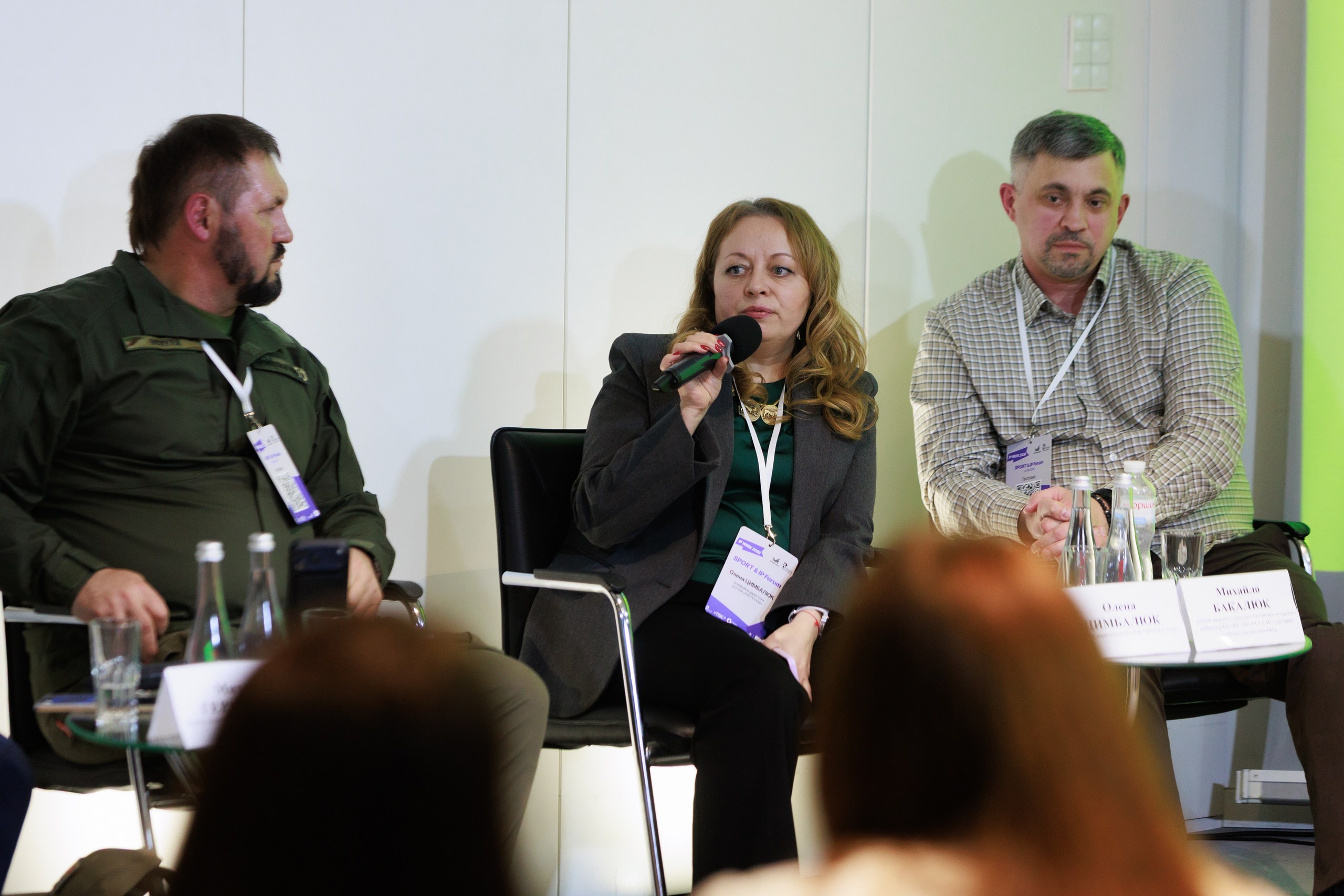
Olena Tsymbaliuk
Another participant in the session – Olena Tsymbaliuk, Chief Operating Officer of the “PROTEZ HUB Charitable Foundation” – emphasized that Ukraine has already developed strong expertise in the sphere of prosthetics and that the State provides a wide range of prosthetic solutions at public expense:
“We have been developing the sphere of prosthetics for 12 years, training specialists in prosthetics and orthotics and improving the legislative framework. If you compare the prostheses people received before 2014 with those they receive now, it’s like chalk and cheese.
The Ministry of Social Policy provides people with amputations with prostheses at public expense – including conventional, bionic and sports prostheses.
At the same time, it is important to understand: a prosthesis is an aid that does not replace a limb, but helps restore functionality. And if we’re talking about specialized devices for specific activities or sports, that’s a different sphere that also requires a separate institutional solution. And here, the key is not just to wait, but to take action, make your case, unite and work systematically with government institutions.”
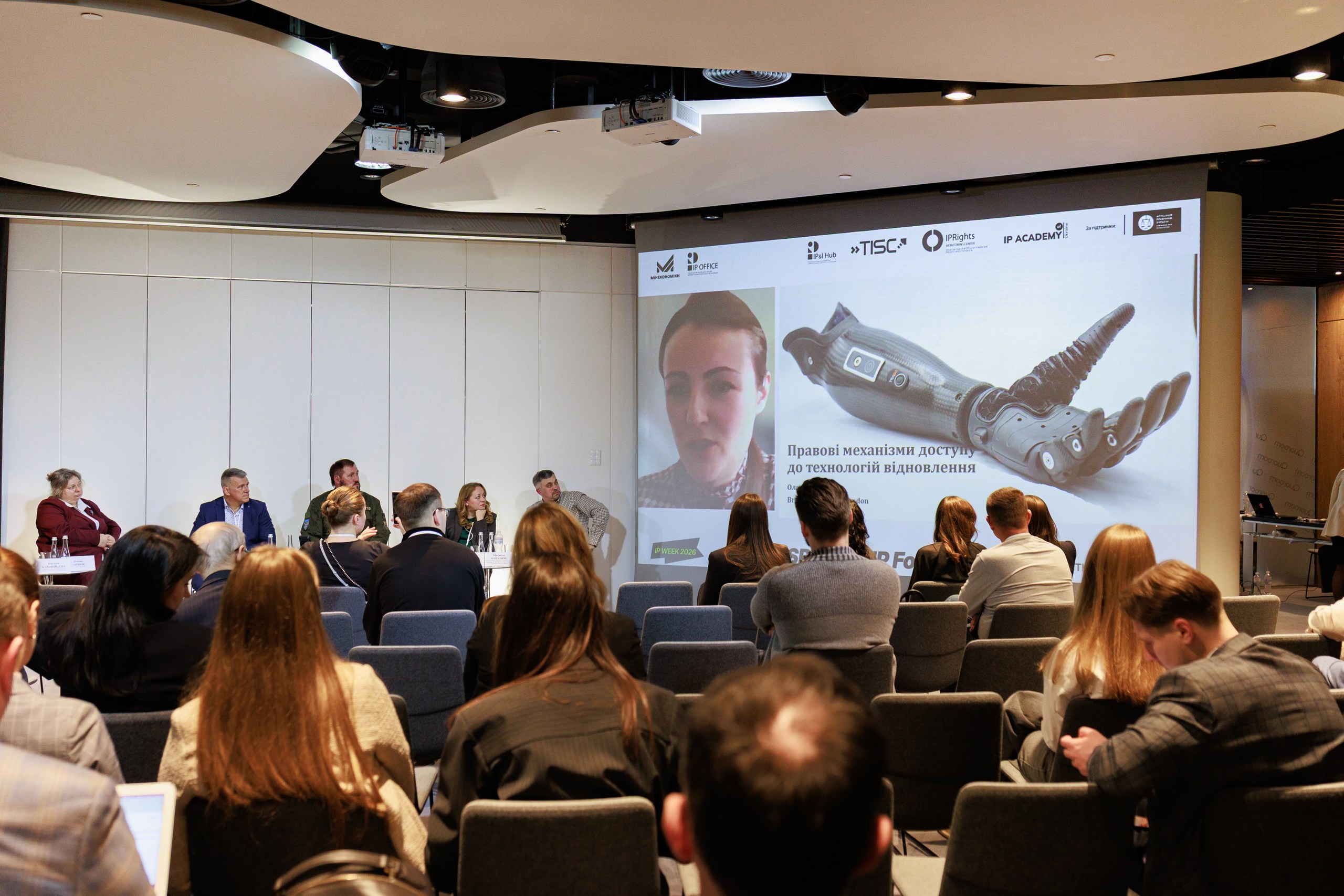
Olha Hurhula joined the discussion online
Olha Hurhula, Senior Lecturer in Intellectual Property Law and Director of International and External Partnerships at Brunel University of London, focused on the legal mechanisms for accessing critical rehabilitation technologies:
“Intellectual property can play a key role in the development of innovations in the rehabilitation and recovery spheres. But there is another side to this: it can create a monopoly on critical technologies, making such solutions inaccessible due to high prices or limited production amounts.
If a State cannot access such technologies on a voluntary basis, there are legal mechanisms that allow for alternative action. One of them is compulsory licensing, where the government allows another party to manufacture a patented product or process without the patent owner’s consent. In cases of a national emergency, which is precisely the situation Ukraine finds itself in today, the State may act without lengthy prior negotiations.
Another mechanism is security exceptions provided for under international law, specifically the TRIPS Agreement. During wartime, the State has the right to deviate from certain obligations regarding the protection of intellectual property rights if this is necessary to protect its core security interests, including in the areas of public health and population recovery.”
At the end of the session, Olena Orliuk also presented a new portal that UANIPIO is developing to better inform the public about how intellectual property works and the opportunities it opens.
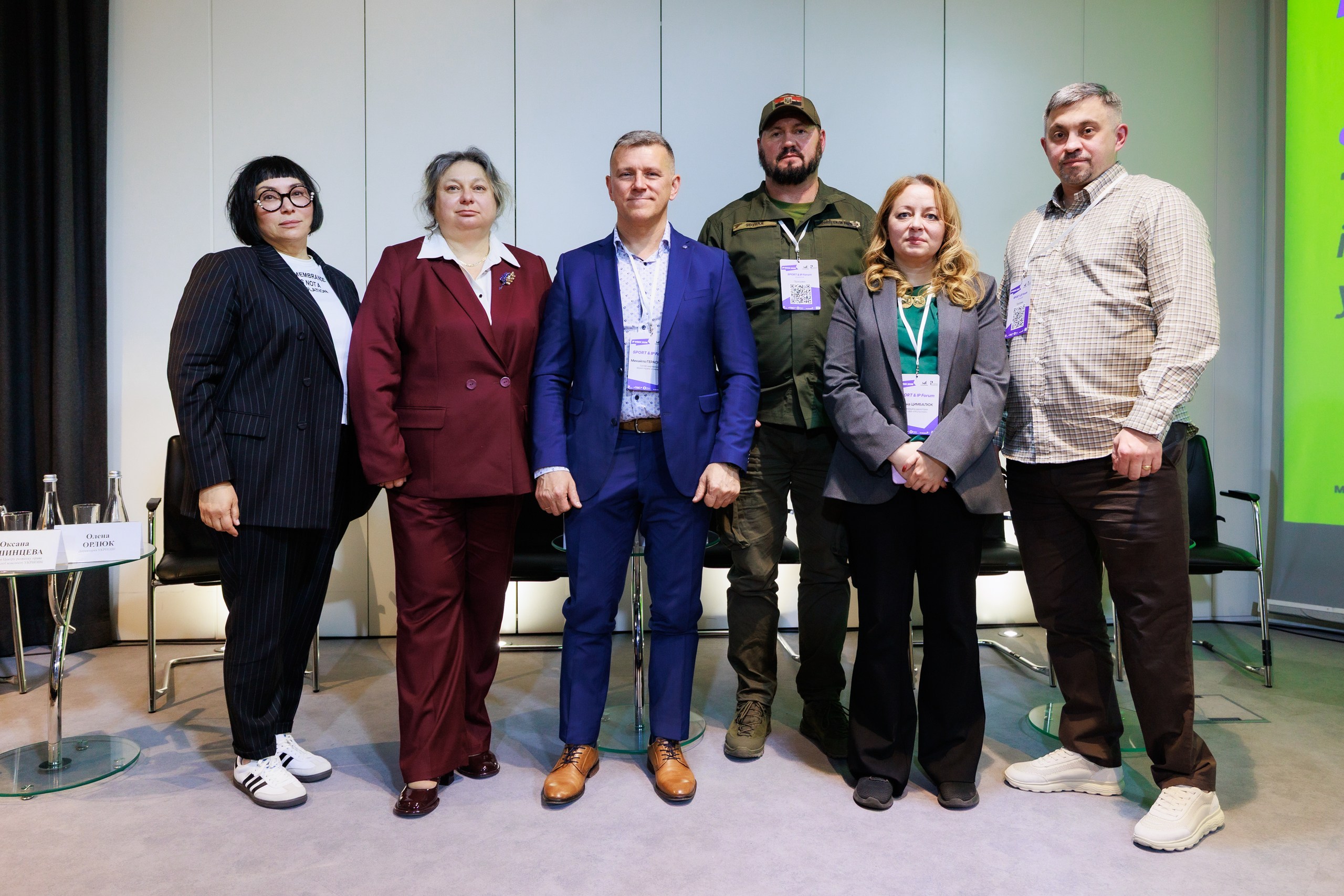
For reference:
The SPORT & IP Forum is a platform for professional dialogue on how intellectual property influences the development of sports: from brand and technology creation to rights protection and the commercialization of innovations. The forum aims to develop practical approaches to the use of IP in the sports industry and to encourage cross-sectoral collaboration. The forum was organized by the Ukrainian National Office for Intellectual Property and Innovations (UANIPIO/IP Office) under the auspices of the Ministry of Economy, Environment and Agriculture of Ukraine (Ministry of Economy) with the support of the Ukrainian Bar Association (UBA).
Photo: Yurii Bielakh
Read also:

No Comments